The Hidden Impact of Algorithms on Hourly Workers
In an era where technology reigns supreme, algorithms are increasingly taking the reins of workforce management. While they promise efficiency and productivity, the reality for many hourly workers is far from rosy.
Unstable Schedules: A New Normal
Across various industries, hourly workers are finding themselves caught in a cycle of unpredictable schedules. Employers are using sophisticated software to optimize labor costs and streamline operations, often at the expense of their employees’ well-being. The ramifications of this technology are profound, leading to instability in both work hours and income.
The Role of Technology in Workforce Management
Advanced algorithms are designed to analyze patterns in customer behavior and operational demands. By doing so, they create schedules that maximize productivity while minimizing payroll expenses. However, this often results in erratic work hours for employees, making it difficult for them to plan their personal lives.
- Last-minute shift changes
- Inconsistent hours week to week
- Reduced ability to secure second jobs
Pay Cuts and Financial Instability
As employers adopt these technologies, many hourly workers are experiencing pay cuts. The reliance on algorithms means that labor can be adjusted in real time, leading to reduced hours as businesses strive for cost-effectiveness. This practice not only affects a worker’s paycheck but also diminishes their financial security.
The Human Cost of Automation
The emotional toll on workers is significant. The stress of uncertain work schedules can lead to anxiety and frustration, affecting their overall quality of life. Workers are often forced to navigate a precarious balance, juggling their commitments while facing a lack of predictability in their income.
A Call for Fairness
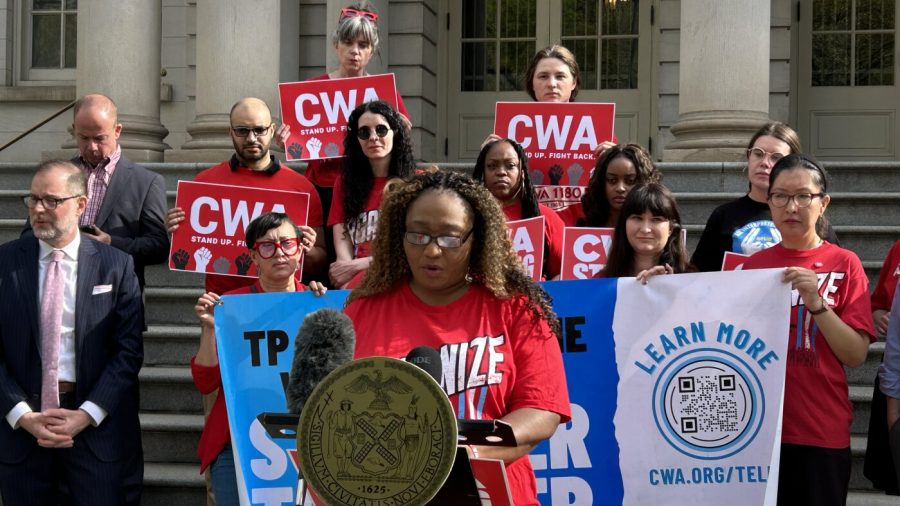
As the labor landscape continues to shift, there is a growing call for regulations that protect workers from the adverse effects of algorithm-driven scheduling. Advocates argue that clearer guidelines are needed to ensure that employees are treated fairly, receiving adequate notice for schedule changes and a more stable income.
The Future of Work
The increasing reliance on algorithms in workforce management raises critical questions about the future of work. Can technology be harnessed to improve the lives of hourly workers rather than hinder them? As the dialogue continues, it will be essential for both employers and policy-makers to consider the human element behind the data.
Conclusion
While the advancement of technology offers numerous benefits, it is crucial to address the challenges it presents for hourly workers. Striking a balance between efficiency and employee welfare will be key to creating a sustainable and just work environment for all.