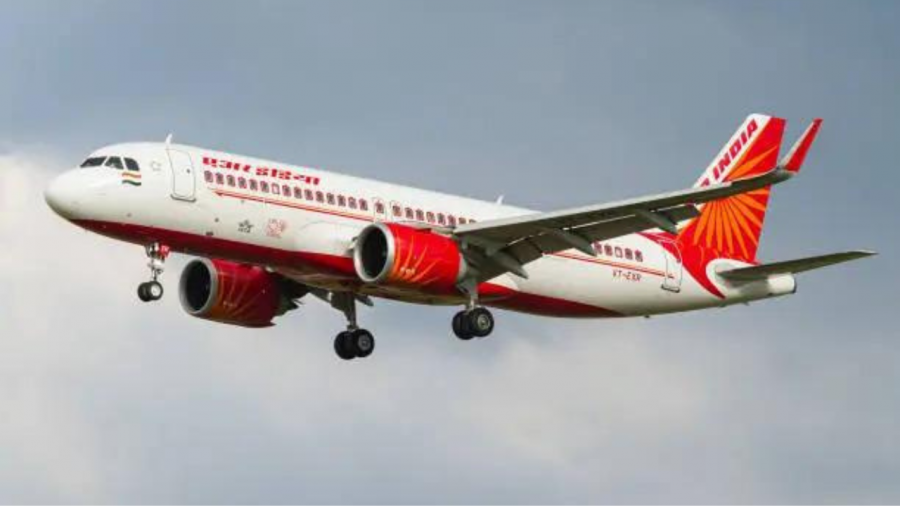
Air India Adapts to Economic Pressures with New Pricing Strategy
In a bold move to address escalating operational costs, Air India has announced plans to unbundle meal services and lounge access on domestic and short international flights. This initiative aims not only to alleviate the financial burden on the airline but also to cater to the price-sensitive nature of the Indian travel market.
The Rationale Behind the Decision
As global fuel prices soar and the Indian rupee continues to depreciate, airlines are feeling the pinch. Air India, which has been striving to regain its footing in a competitive aviation landscape, recognizes the need for a strategic overhaul. By making meals and lounge access optional, the airline hopes to pass on some savings to customers, thereby making air travel more affordable.
Understanding the Impact on Passengers
For frequent flyers and families traveling during peak seasons, the added costs of in-flight meals and lounge access can quickly accumulate. Air India’s new approach allows passengers to tailor their travel experience according to their budget. By opting out of these services, travelers may see a reduction in ticket prices, making air travel accessible to a broader audience.
Market Reactions and Future Implications
The response from industry experts has been mixed. While some commend Air India for taking a proactive step in reducing costs, others question whether this strategy will significantly attract more customers in an already competitive market. Major airlines worldwide have adopted similar unbundling strategies, allowing travelers to pay only for the services they desire.
- Potential Benefits:
- Lower ticket prices for passengers willing to forego meals and lounges.
- Increased flexibility for travelers with varying budgets.
- Opportunity for Air India to enhance its cost management.
- Possible Drawbacks:
- Risk of customer dissatisfaction among those who prefer all-inclusive services.
- Potential loss of revenue from ancillary services.
Broader Context of the Aviation Industry
The decision by Air India comes at a time when the aviation sector is grappling with a host of challenges, including post-pandemic recovery, fluctuating oil prices, and changing consumer preferences. Airlines around the world are re-evaluating their service models to remain competitive and profitable.
Air India’s Journey Ahead
As Air India embarks on this new pricing strategy, it remains to be seen how effective this will be in enhancing customer loyalty and boosting revenue. The airline’s management is optimistic that the unbundling approach will not only ease the financial strain but also position Air India as a more viable option for budget-conscious travelers.
Conclusion
In a rapidly changing market, Air India’s decision to make in-flight meals and lounge access optional is a reflection of its commitment to adapting to consumer needs while addressing economic challenges. As the airline continues to navigate these turbulent times, its focus on cost efficiency and customer choice will be crucial for its long-term success.