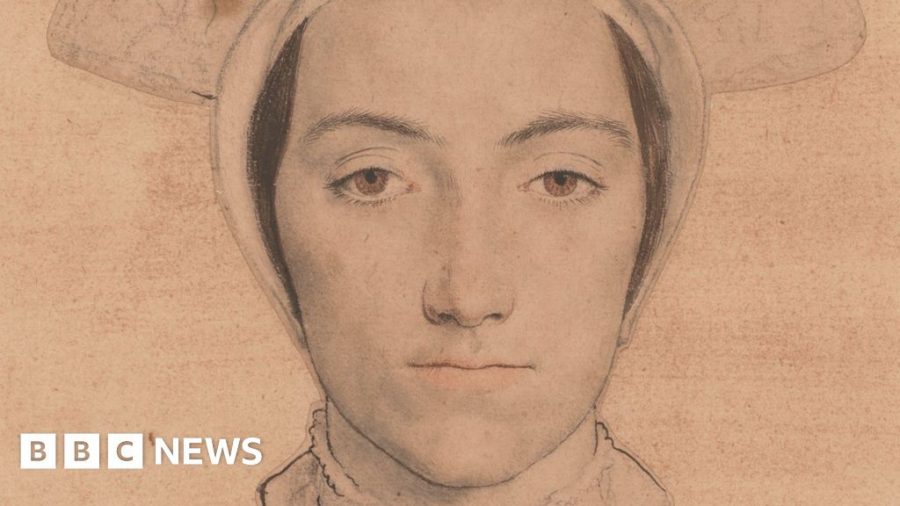
A Fascinating Discovery: The Face of Anne Boleyn?
In a groundbreaking development that has captured the attention of historians and art enthusiasts alike, a team of computer scientists believes they have uncovered a previously unknown sketch of Anne Boleyn, the infamous second wife of King Henry VIII. This revelation promises to add a new chapter to the story of one of England’s most enigmatic historical figures.
The Discovery
The sketch was allegedly found in a collection of Renaissance artworks that had been overlooked for decades. Researchers utilized advanced imaging technology and artificial intelligence to examine the piece, which they argue could be an authentic representation of Boleyn. The sketch’s origins are still being investigated, and its authenticity remains a topic of heated debate.
The Significance of Anne Boleyn
Anne Boleyn is a pivotal figure in English history, known for her role in the English Reformation and her marriage to King Henry VIII, which led to the Church of England’s break from the Catholic Church. Her life was filled with intrigue, and her tragic execution in 1536 has made her a subject of fascination for centuries.
Experts Weigh In
While the discovery has ignited excitement among some historians, not everyone is ready to accept the findings without skepticism. Critics point out the lack of concrete evidence connecting the sketch to Boleyn, arguing that the image could be a product of later artistic interpretation or misattribution.
- Dr. Elizabeth Houghton, a Renaissance art historian, expressed her reservations: “While the sketch is intriguing, we need more evidence to link it definitively to Anne Boleyn. It could easily be a depiction of another noblewoman of the time.”
- Conversely, Dr. Michael Turner, an expert in Tudor history, is more optimistic: “If this sketch can be authenticated, it would provide an invaluable insight into the appearance of one of history’s most iconic women.”
The Role of Technology in Art History
This discovery highlights the growing intersection between technology and art history. The team responsible for the sketch’s analysis employed sophisticated imaging techniques that can reveal layers and details not visible to the naked eye. Such advancements are changing the way historians approach art and artifacts from the past.
What Comes Next?
The next steps involve rigorous testing and validation to establish the sketch’s authenticity. Experts will scrutinize the materials and techniques used to create the artwork, aiming to determine whether it aligns with styles from Boleyn’s era. As the investigation unfolds, the art world watches with bated breath.
Conclusion
Whether this newly uncovered sketch is indeed the real face of Anne Boleyn or simply an artistic misinterpretation, it has undoubtedly reignited interest in a historical figure whose life continues to captivate the imagination. As research progresses, the potential implications for our understanding of the Tudor period could be profound.