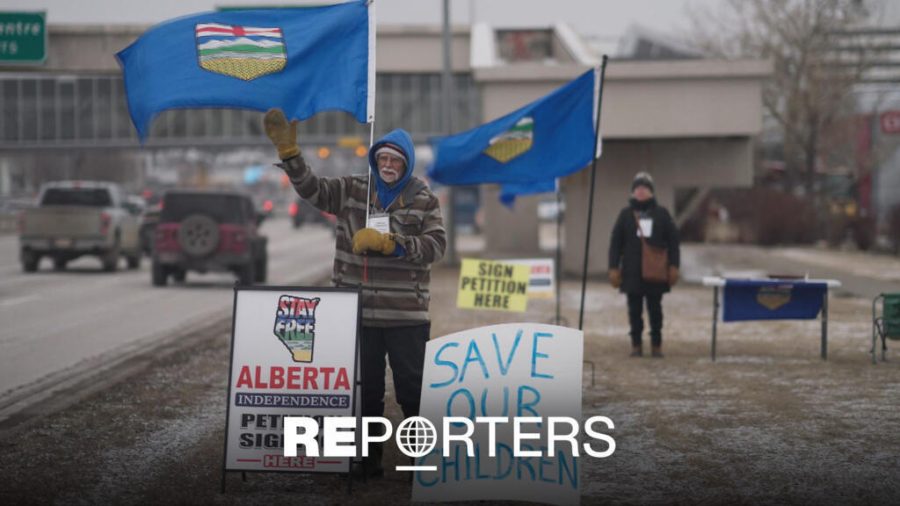
Alberta’s ‘Maple MAGA’ Movement: A Push for Independence
In the heart of Canada’s oil-producing province, Alberta, a surge of separatism is transforming the political landscape. The notion of independence, once relegated to the margins of political discourse, is now gaining traction thanks to a confluence of factors, including recent government reforms and a growing sentiment among citizens.
A Historic Moment: The Upcoming Referendum
On October 19, Alberta will hold a referendum, marking the first time since Quebec’s ill-fated independence vote in 1995 that a Canadian province has considered breaking away from the federation. This unprecedented opportunity has energized supporters of the independence movement, affectionately dubbed ‘Maple MAGA’ by its advocates, who see it as a chance to reshape Alberta’s future.
The Roots of Separatism
The seeds of Alberta’s independence movement can be traced back to long-standing grievances with the federal government, particularly concerning the province’s oil and gas revenue and perceived neglect in favor of more populous regions. Many Albertans feel that their contributions to the national economy are not adequately recognized or rewarded, leading to a sense of alienation.
- Economic Discontent: The fluctuating oil prices have profoundly affected Alberta’s economy, leading to job losses and business closures.
- Political Disillusionment: A growing number of residents believe that Ottawa prioritizes the interests of larger provinces, leaving Alberta struggling for attention.
- Cultural Identity: Many Albertans take pride in their distinct Western identity, which they feel is often overshadowed by Eastern narratives.
Government Support and Mobilization
The push for a referendum has been significantly bolstered by recent reforms from Alberta’s conservative government, which has embraced the independence movement as part of its platform. The government has streamlined the process for initiating a referendum, allowing proponents to gather support more efficiently. This strategic alignment between the governing party and independence advocates has lent credibility to the movement.
Supporters of the independence campaign have been actively organizing rallies, social media campaigns, and grassroots initiatives to rally public support. The hashtag #MapleMAGA has gained traction online, resonating with those who feel that Alberta deserves to chart its own course.
Challenges Ahead
Despite the enthusiasm surrounding the movement, significant challenges remain. Opponents of independence argue that separating from Canada would have dire economic consequences, jeopardizing Alberta’s access to federal funding, trade agreements, and social services. They warn that the uncertainty surrounding an independent Alberta could deter investment and exacerbate the province’s economic woes.
The Road to Independence
If the referendum passes, Alberta would need to navigate the complex process of establishing itself as an independent nation. This would involve creating new governance structures, negotiating international relations, and addressing the financial implications of independence. The stakes are high, and both supporters and opponents recognize that the outcome of this referendum could reshape the future of Alberta and its place within Canada.
Conclusion: A Defining Moment for Alberta
As Alberta approaches the referendum date, the air is thick with anticipation and uncertainty. The ‘Maple MAGA’ movement may represent a pivotal moment in Canadian history, echoing the sentiments of a province that seeks to assert its identity and autonomy. Whether Alberta becomes an independent nation or remains a crucial part of Canada, the coming months will undoubtedly shape the discourse around provincial rights, economic independence, and national unity.