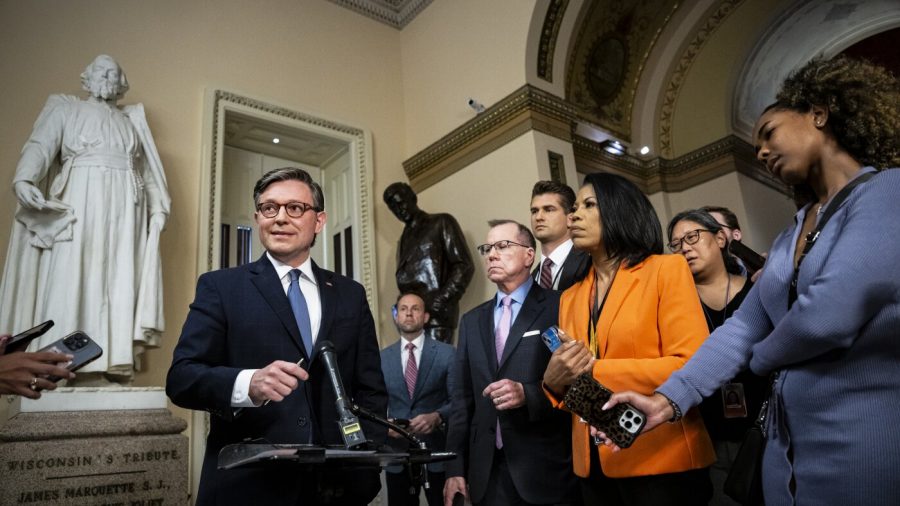
Historic DHS Shutdown Concludes
In a significant turn of events, Congress has officially ended the record-breaking shutdown of the Department of Homeland Security (DHS), allowing the agency to resume its critical functions after weeks of uncertainty. This prolonged impasse, which marked the longest shutdown in DHS history, disrupted numerous services and put immense pressure on federal employees and their families.
Impact of the Shutdown
The shutdown, which lasted for an unprecedented duration, left thousands of employees furloughed or working without pay, leading to widespread frustration and concern. Essential services such as immigration processing, border security operations, and disaster response were severely affected, prompting calls for urgent action from lawmakers.
With the resolution of this crisis, the DHS is poised to reinstate operations that had been stalled, including the processing of visa applications and the enforcement of immigration laws. Officials suggest that it may take time to clear the backlog caused by the shutdown, but they are committed to restoring normalcy as quickly as possible.
May Day Protests: A Call for Action
As the DHS shutdown concludes, attention shifts to the nationwide May Day protests scheduled to take place across the United States. These demonstrations, traditionally a platform for workers’ rights and social justice advocacy, are expected to draw large crowds, particularly those opposing the policies of the Trump administration.
Objectives of the Protests
The May Day protests this year are anticipated to be more significant than ever, fueled by a growing discontent with immigration policies, labor rights, and social justice issues. Activists are mobilizing to voice their concerns on various topics, including:
- Immigration reform: Many protestors are advocating for a more humane immigration system that respects the rights and dignity of all individuals.
- Workers’ rights: Organizers are pushing for better wages, job security, and labor protections, highlighting the struggles of essential workers during the pandemic.
- Social justice: The protests will also serve as a platform for addressing racial and economic inequalities exacerbated by the current administration’s policies.
Anticipated Turnout and Locations
Across major cities such as New York, Los Angeles, Chicago, and Washington, D.C., organizers expect thousands to participate in the demonstrations. Plans include marches, rallies, and speeches from prominent activists and labor leaders, all aimed at galvanizing public support for their causes.
Law enforcement agencies are preparing for the events, with increased security measures to ensure the safety of participants and maintain order. Community leaders are encouraging peaceful protests, emphasizing the importance of raising voices against injustice while fostering a spirit of unity.
Looking Ahead
The conclusion of the DHS shutdown marks a pivotal moment for the agency and its employees, but it also sets the stage for the May Day protests, which promise to be a powerful expression of collective dissent. As the nation grapples with pressing issues surrounding immigration and labor rights, the upcoming demonstrations will undoubtedly play a crucial role in shaping public discourse and influencing future policy decisions.
As Americans prepare to take to the streets, the convergence of these two significant events underscores the urgency for dialogue and progress on the issues that matter most to citizens across the country.