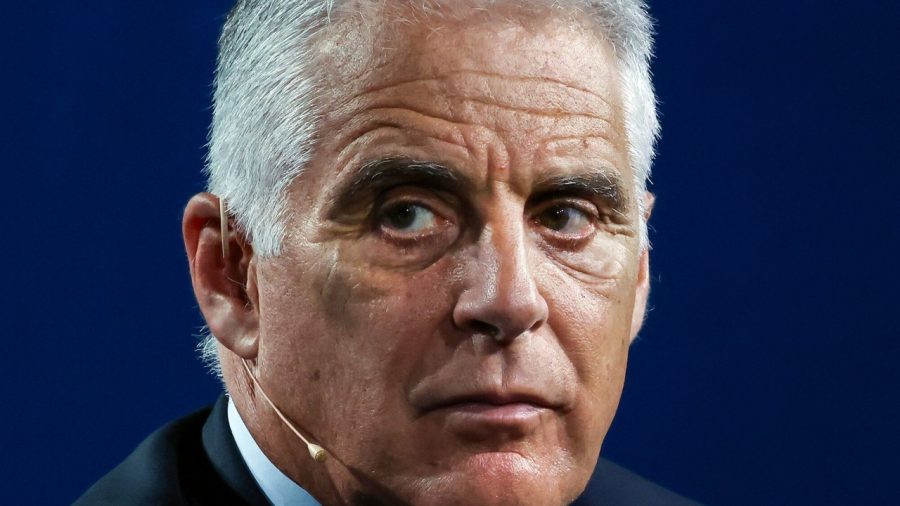
Andrea Orcel’s Strategic Move in the Banking Sector
In a bold maneuver that has sent ripples through the European banking landscape, Andrea Orcel, the CEO of UniCredit, has successfully positioned his bank to likely gain voting control of Commerzbank. This development follows UniCredit’s recent announcement that it has increased its stake in Commerzbank to just under 50% through an open tender offer.
A Calculated Strategy
Orcel’s strategy appears to be a well-calibrated effort to navigate the complex regulatory environment in Germany while simultaneously expanding UniCredit’s footprint in one of the continent’s most significant financial markets. By acquiring nearly half of Commerzbank’s shares, Orcel not only strengthens UniCredit’s market position but also enhances its ability to influence key decisions within Commerzbank.
The Tender Offer Explained
In the wake of the tender offer, which was met with a positive response from shareholders, Orcel’s vision for a more formidable banking entity is becoming clearer. This strategic acquisition was complemented by a series of negotiations aimed at ensuring that the deal complies with German regulations, which are often stringent concerning foreign ownership in the banking sector.
The Implications for the Banking Industry
The implications of this acquisition extend far beyond just UniCredit and Commerzbank. As Orcel tightens his grip on Commerzbank, analysts are watching closely to see how this will influence competition among European banks. The merger of two large entities could lead to significant shifts in market dynamics, potentially offering customers a broader range of services while also raising concerns about reduced competition.
What This Means for UniCredit
For UniCredit, this acquisition is a pivotal moment. By gaining control over Commerzbank, Orcel is positioning UniCredit not just as a national player, but as a significant contender on the European stage. The bank has often been overshadowed by larger competitors, but this move could change the narrative.
Regulatory Challenges Ahead
However, the journey is not entirely smooth. Regulatory challenges are anticipated as the deal progresses. The European Central Bank (ECB) and the German Federal Financial Supervisory Authority (BaFin) will scrutinize the acquisition closely, ensuring that it aligns with broader economic policies and does not pose systemic risks to the banking sector.
Future Prospects
As Orcel leads this initiative, the future of UniCredit and Commerzbank will depend on how effectively they can integrate operations and align their corporate cultures. The economic landscape is evolving, and if UniCredit can successfully leverage its new position, it may emerge as a leader in the banking sector, setting a precedent for future mergers and acquisitions.
Conclusion
In conclusion, Andrea Orcel’s strategic play to gain control of Commerzbank marks a significant turning point for UniCredit and the broader European banking industry. As the situation develops, stakeholders will be keenly observing how this acquisition unfolds and its effects on the competitive landscape.