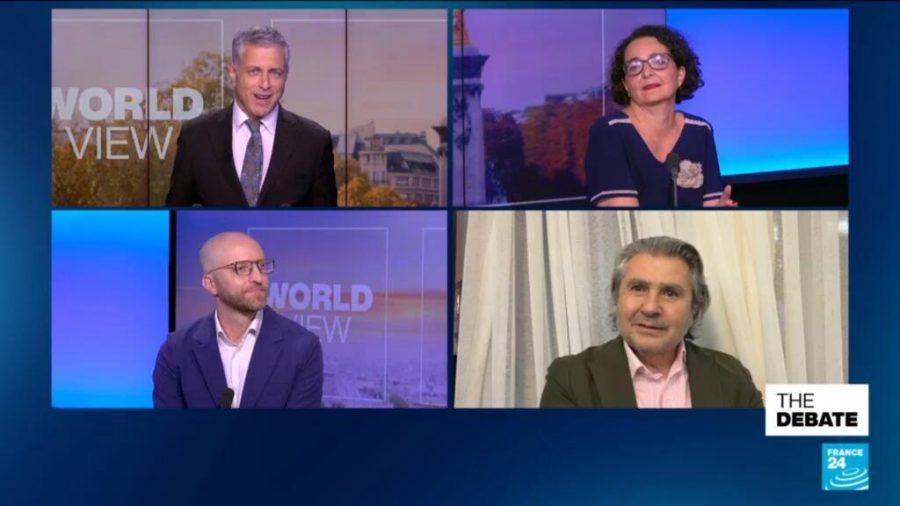
Can NATO Survive Trump’s Shifting Loyalties?
In recent months, every official visit and summit involving the President of the United States has felt like a frantic attempt to maintain support from the leader of the Atlantic Alliance. As tensions rise, a question looms large: Is it too late for NATO to adapt to the unpredictable nature of U.S. leadership?
A Narrow Escape at the G7 Summit
Last month, leaders left a pivotal G7 Summit in France with a collective sigh of relief. They were grateful that President Donald Trump had refrained from launching a full-scale assault on their unity. Many observers noted that his presence, although somewhat subdued, could have erupted into chaos, especially given his history of controversial remarks regarding NATO and international alliances.
Threats from Ankara
In stark contrast, during a recent visit to Ankara, Trump displayed a darker tone, threatening to withdraw all U.S. troops from Europe. This statement sent shockwaves through the NATO alliance, raising alarms about the future of American military presence in the region. Furthermore, Trump has openly criticized NATO for its perceived reluctance to support his aggressive stance against Iran, declaring, “I wouldn’t have even shown up but for my friend Recep Tayyip Erdogan hosting.” Such comments have left European leaders grappling with uncertainty.
The Stakes for Global Security
While political posturing may seem trivial in the grand scheme, the implications are far-reaching. Real lives are at stake as allies strive to bolster their defenses against Russia’s increasing aggression, particularly with cruise missiles being launched at Ukraine. The urgency for NATO members to act swiftly in providing defense systems has never been more pronounced.
Putin’s Calculated Risks
As the conflict in Ukraine persists, the specter of Vladimir Putin looms larger. With Russian citizens facing hardships due to Ukrainian drone strikes targeting critical infrastructure, there is a palpable concern that Putin might escalate his aggression. If Putin were to test the resolve of frontline European states, the consequences could be catastrophic.
Alliance Under Pressure
- Political Divisions: The internal divisions within NATO, exacerbated by Trump’s erratic behavior, have made it difficult for member states to present a united front.
- Military Readiness: The urgency to enhance military readiness against potential threats from Russia is becoming increasingly critical.
- Economic Repercussions: Trump’s trade threats, particularly towards countries like Spain, add another layer of complexity to the alliance’s cohesion.
As NATO leaders reflect on their collective future, they must navigate the treacherous waters of an unpredictable U.S. presidency. The challenge lies not only in maintaining transatlantic unity but also in preparing for potential crises that could arise from Russia’s ambitions. The stakes are high, and the world watches anxiously as NATO attempts to adapt to the shifting sands of geopolitical power.