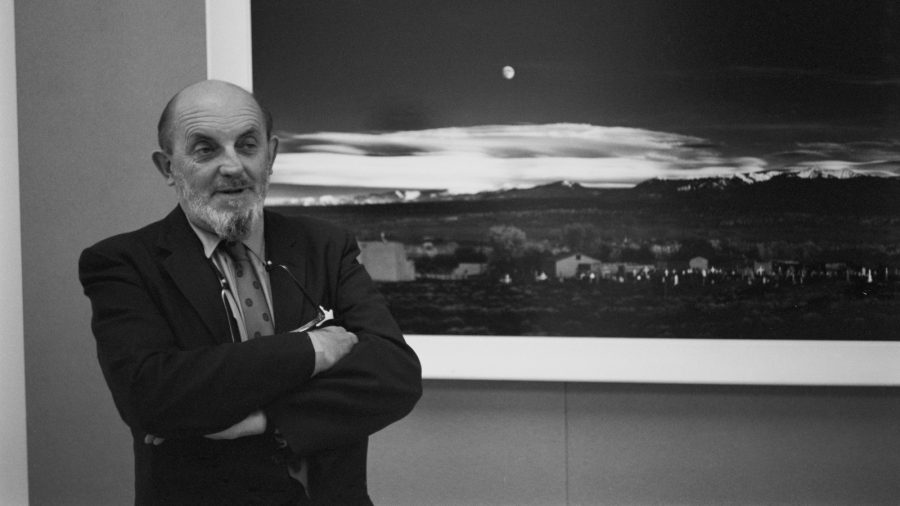
The artistic legacy of Ansel Adams, one of the most celebrated photographers of the 20th century, has come under scrutiny after an AI-generated colorized version of his iconic black-and-white photograph, Moonrise, Hernandez, New Mexico, was displayed at a prominent photography exhibition without authorization. The Ansel Adams Publishing Rights Trust has expressed strong objections to the unauthorized use of the altered image, raising questions about copyright, artistic integrity, and the role of artificial intelligence in reinterpreting classic works of art.
AI and the Controversy Over Artistic Integrity
The controversial exhibit took place at The Photography Show presented by AIPAD, a renowned event that attracts collectors, curators, and photography enthusiasts from around the globe. The AI-colorized version of Adams’ work was prominently featured, drawing both intrigue and backlash. The Ansel Adams Trust, which manages the rights to the photographer’s work, however, was quick to condemn the display, stating that they had not granted permission for the use or modification of Adams’ original photograph.
In a statement, a spokesperson for the Trust said, “Ansel Adams dedicated his life to mastering the art of black-and-white photography. The unauthorized alteration of his work undermines his artistic vision and dilutes the powerful emotional and aesthetic impact of his original pieces.” The Trust emphasized that any reproduction or alteration of Adams’ works requires prior approval and must adhere to strict guidelines to maintain the integrity of his legacy.
What Happened at The Photography Show?
The controversy centers on the use of artificial intelligence to add color to Adams’ photograph, which was originally taken in 1941. The original image, celebrated for its dramatic interplay of light and shadow, captures the small village of Hernandez, New Mexico, against a backdrop of snowcapped mountains and a luminous moonrise. The AI-generated version, however, introduces color elements that were never part of Adams’ artistic intent, including hues of blue and orange in the sky and land.
While the organizer of the exhibit has not yet publicly commented on the controversy, the incident has reignited debates within the art and photography communities about the ethics of using AI to alter historic works. Critics argue that such practices can mislead viewers and distort the original artist’s vision, while proponents see AI as a tool for reimagining art and making it accessible to new audiences.
Legal and Ethical Implications
The unauthorized display raises important legal questions about copyright and intellectual property rights in the age of artificial intelligence. Under U.S. copyright law, the original creator—or their designated rights holder—retains control over how their work is used or modified. By exhibiting the AI-altered image without the Trust’s approval, organizers may have infringed upon these rights.
Furthermore, the case highlights the ethical considerations of using AI to reinterpret or modify existing art. Ansel Adams was renowned for his meticulous approach to photography, spending hours in the darkroom perfecting his prints to capture the essence of natural landscapes. Altering his works with AI, some argue, fundamentally changes their meaning and misrepresents his artistic legacy.
The Growing Role of AI in Art
This incident comes amid a broader conversation about the role of AI in the creative industries. While artificial intelligence has enabled groundbreaking innovations in art, music, and design, it has also sparked debates about authorship, originality, and consent. As AI tools become more advanced, the line between inspiration and appropriation continues to blur, challenging traditional norms in the art world.
For the Ansel Adams Trust, the issue is clear. “Our mission is to preserve the integrity of Ansel Adams’ work and ensure that his legacy remains true to his artistic vision,” the Trust stated. They have not announced whether they plan to pursue legal action, but their firm stance underscores the importance of respecting the rights and intentions of artists, both living and deceased.
Looking Ahead
As technology continues to evolve, the art world will likely face more instances where AI and intellectual property rights collide. For now, the controversy surrounding the AI-colorized version of Moonrise, Hernandez, New Mexico serves as a cautionary tale about the need for ethical and legal frameworks to guide the use of artificial intelligence in creative endeavors.
The debate over Ansel Adams’ altered photograph is far from over, but it has already sparked important discussions about the balance between innovation and respect for artistic heritage. As the art community grapples with these challenges, one thing is certain: the conversation about AI and art is only just beginning.