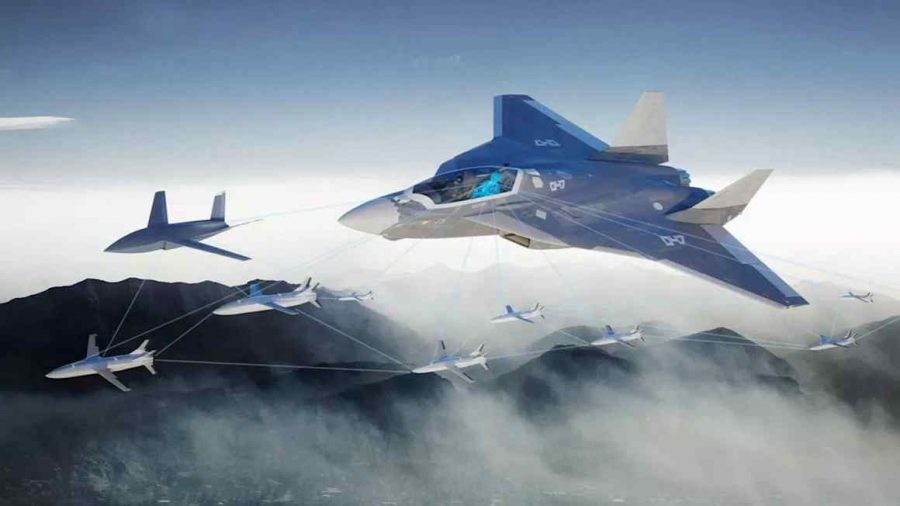
In a significant setback for European defense collaboration, Germany has announced the termination of its joint venture with France to develop a next-generation fighter jet. The decision has left the future of the ambitious €100 billion project hanging in the balance and has raised questions about Europe’s ability to establish a unified defense strategy in an increasingly volatile global landscape.
The Strategic Importance of a European Fighter Jet
The development of a new fighter jet, intended to replace aging fleets across Europe, has long been considered a cornerstone of European defense initiatives. With rising geopolitical tensions, especially in Eastern Europe and the Mediterranean, the need for a modern, capable air force is more pressing than ever. The project aimed to produce a state-of-the-art aircraft that would not only enhance national security but also foster greater military cooperation among EU nations.
Germany’s Decision: A Turning Point
Germany’s decision to pull out of the joint venture comes as a shock to many. The partnership with France was seen as a pivotal step towards a unified European military capability. Analysts suggest that internal disagreements over funding, technology sharing, and strategic priorities contributed significantly to the collapse of the project.
Reactions from European Leaders
In the wake of Germany’s announcement, leaders across Europe have expressed their dismay. French Defense Minister Sébastien Lecornu called the decision “a dangerous precedent for European defense”. Meanwhile, other nations, including Spain and Italy, are reevaluating their positions and commitments to the project.
The Fallout: A Crossroads for European Defense
The collapse of this joint venture presents a crucial crossroads for European nations. With each country now left to consider its own defense capabilities, the risk of fragmentation within Europe’s military strategy looms large. Some experts argue that this fragmentation could lead to increased competition rather than collaboration, undermining the collective security framework that has underpinned European defense for decades.
Potential Paths Forward
As European leaders ponder their next steps, several potential paths forward emerge:
- Revival of Bilateral Agreements: Countries may seek to forge new bilateral or multilateral agreements to pursue independent fighter jet projects.
- Increased Investment in Existing Programs: Nations could choose to invest more heavily in existing defense programs, such as the Eurofighter Typhoon or the Rafale, to extend their operational life.
- Look Beyond Europe: Some countries may consider partnerships with non-European allies, such as the United States, to access advanced military technologies.
Industry Implications
The defense industry is also facing uncertainty in light of the project’s collapse. Major players in the aerospace sector, including Airbus and Dassault Aviation, have heavily invested in the project and are now reassessing their strategies. The potential loss of thousands of jobs and economic opportunities could reverberate throughout Europe’s industrial landscape.
Conclusion: A Call for Unity
As Europe grapples with the implications of Germany’s withdrawal from the fighter jet project, the call for unity in defense collaboration has never been more critical. While the ambition to create a next-generation fighter jet may have faltered, the need for a cohesive and robust European defense strategy remains paramount. Only time will tell whether European nations can navigate this crisis and emerge stronger together.