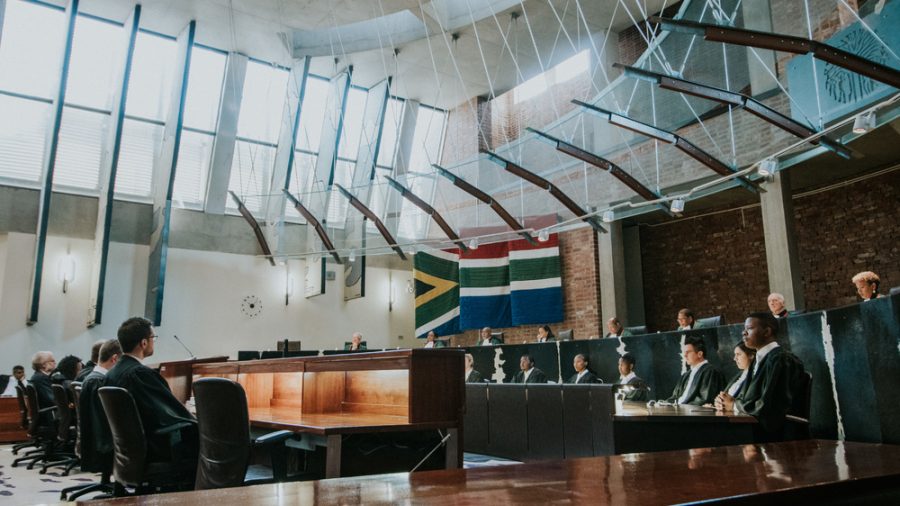
The Constitutional Court, South Africa’s highest judicial authority, is grappling with unprecedented challenges as its caseload has reportedly tripled in recent years. According to a new report by the legal advocacy group Freedom Under Law, this surge in cases has overwhelmed the court, leading to delayed judgments and raising concerns about the judiciary’s ability to uphold public trust.
Freedom Under Law Raises the Alarm
Freedom Under Law, a prominent watchdog dedicated to safeguarding the rule of law, has highlighted critical issues plaguing the Constitutional Court in its latest findings. The report reveals that the court is not only overburdened but also under-resourced, a combination that is causing significant backlogs in delivering judgments on time. These delays, the organization warns, could erode public confidence in the judiciary’s efficiency and impartiality.
Tripling Caseload Puts Judges Under Pressure
One of the most alarming revelations in the report is the dramatic increase in the number of cases being handled by the apex court. Freedom Under Law pointed out that the court’s caseload has tripled compared to previous years, creating a bottleneck effect that delays crucial rulings. The organization stressed that such delays could have a ripple effect on the broader justice system, undermining its ability to resolve critical legal and constitutional matters efficiently.
Structural Challenges Amplify the Problem
In addition to the sheer volume of cases, the report underscores structural challenges that exacerbate the court’s predicament. Freedom Under Law notes a lack of adequate resources, including staffing and technological support, as key contributors to the mounting backlog. Without sufficient capacity to handle the increasing workload, the court risks falling further behind, leaving many cases in limbo for extended periods.
Public Confidence at Stake
The delays in delivering judgments have far-reaching implications, not only for those awaiting decisions but also for the general public. Freedom Under Law cautions that prolonged delays may lead to perceptions of inefficiency and bias, undermining the judiciary’s role as a cornerstone of democracy. “The public’s trust in the judiciary is built on the pillars of fairness, transparency, and timeliness. Any cracks in these pillars can weaken the foundation of the rule of law,” the report warns.
Call for Urgent Action
Freedom Under Law has called for immediate measures to address the challenges faced by the Constitutional Court. Among its recommendations are increasing the court’s resources, appointing additional judicial officers, and leveraging technology to streamline case management. The organization also urges broader systemic reforms to ensure the judiciary remains a trusted and effective institution in the face of growing demands.
While the Constitutional Court has yet to formally respond to the report, legal experts and civil society groups are echoing concerns about the urgent need for reform. As South Africa navigates complex social, economic, and political challenges, the role of the judiciary in safeguarding the Constitution has never been more critical.