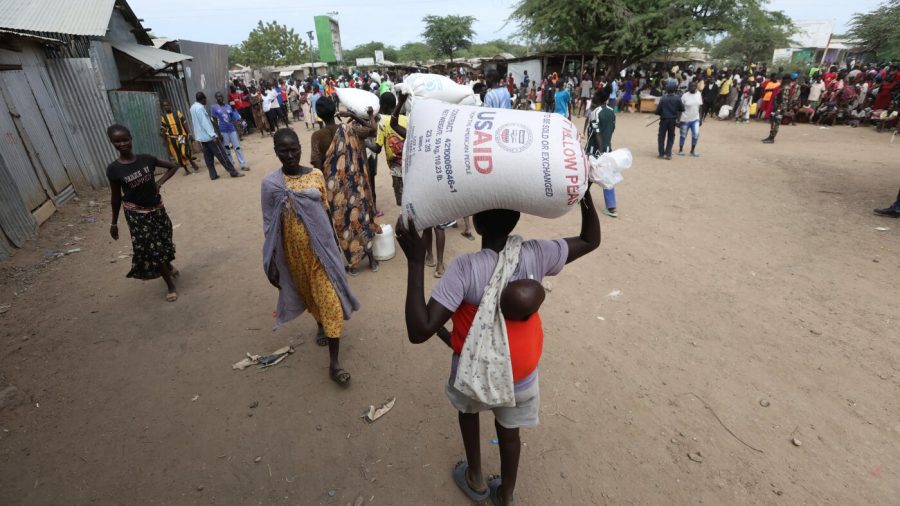
When the United States abruptly ended funding for its flagship aid agency, USAID, it raised more than just economic questions—it sparked concerns about a potential surge in violence. A recent study has taken a deeper dive into this issue, aiming to unravel the ripple effects of halting foreign aid in vulnerable regions.
The Context: USAID’s Sudden Closure
For decades, USAID served as a cornerstone of U.S. foreign assistance, channeling resources into developing nations to foster economic growth, health initiatives, and education. However, a policy shift led to a swift termination of several programs, leaving communities that depended on this aid in a precarious state. Critics warned of dire consequences, including a rise in instability and violence.
The study in question sought to answer a fundamental query: Did the cessation of USAID funding directly contribute to increased violence in affected regions? Researchers examined data from multiple countries, focusing on areas that experienced a sudden withdrawal of aid to assess how the funding gap correlated with changes in local security.
Key Findings of the Study
The results of the study were revealing, though nuanced. Here are some of the key takeaways:
- Increased violence in certain regions: Areas heavily reliant on USAID funding saw a measurable uptick in violent incidents, particularly where aid previously supported job creation or conflict mitigation programs.
- Economic destabilization: The abrupt funding halt left many local organizations and governments scrambling to fill the void, leading to economic strain that exacerbated tensions.
- Mixed results in some cases: Not all regions experienced heightened violence, suggesting that local governance and community resilience played a critical role in mitigating negative outcomes.
The Human Cost of Aid Withdrawal
A closer look at the communities affected reveals troubling consequences. Former beneficiaries of USAID programs reported losing access to crucial resources, such as healthcare, education, and agricultural assistance. Many young people, particularly in regions with high unemployment, found themselves with fewer opportunities, leading some to turn to illicit activities or extremist groups to survive.
One community leader in a previously USAID-supported region summed up the sentiment: “When the funding stopped, it felt like the rug was pulled out from under us. The programs weren’t just about money—they gave people hope and purpose.”
Policy Lessons and the Way Forward
The study underscores the importance of carefully managing aid transitions to avoid unintended consequences. Experts suggest that a phased withdrawal or alternative funding mechanisms could help mitigate the risks associated with sudden funding cuts.
“Foreign aid is not just a financial transaction—it’s an investment in stability and peace,” noted one of the lead researchers. “When that investment is abruptly withdrawn, the costs can be far greater than the savings.”
As policymakers weigh the future of foreign aid, the findings of this study serve as a cautionary tale. The question remains: How can the U.S. balance its domestic priorities with its role as a global leader in development and humanitarian assistance?