Ramaphosa Unveils Comprehensive Immigration Strategy Amid Growing Public Outcry
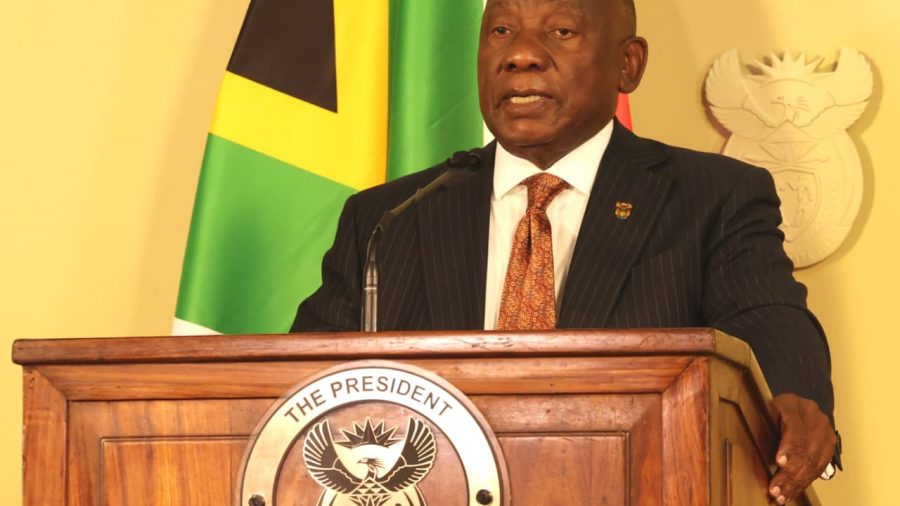
In a nationally televised address from the Union Buildings on Sunday evening, South African President Cyril Ramaphosa unveiled a sweeping package of measures aimed at tightening immigration enforcement. These measures come as the government seeks to address escalating public concern over illegal immigration and the rising tensions stemming from anti-foreigner protests.
Addressing the Nation
During his address, Ramaphosa candidly acknowledged the failures in migration management, corruption within the immigration system, and the growing public frustration over unemployment, pressure on public services, and crime. He emphasized the need for a balanced approach, warning against xenophobia and vigilantism. “The responsibility for enforcing immigration laws rests with the state and the state alone,” Ramaphosa asserted, aiming to quell the rising tide of private groups taking it upon themselves to police foreign nationals.
Diplomatic Efforts and Regional Relations
This announcement follows Ramaphosa’s decision to dispatch special envoys to various African nations in response to increasing anti-foreigner sentiments and their potential impact on South Africa’s international relations. While recognizing that illegal immigration poses a significant challenge, the president firmly rejected the notion that migrants are to blame for the country’s broader economic woes. “Illegal immigration is not the cause of all our economic challenges,” he stated, emphasizing that sustainable solutions lie in fostering economic growth, attracting investment, and creating jobs.
A Five-Pillar Strategy
To address these pressing issues, the president outlined a new migration strategy built on five key pillars:
- Intensified enforcement of immigration and labour laws
- Stronger border controls to prevent illegal crossings
- Crackdown on corruption within the immigration system
- Legislative reforms to enhance the legal framework
- Greater cooperation with African countries on migration challenges
Among the most significant measures included in this strategy is the establishment of dedicated immigration courts designed to expedite the deportation processes for undocumented migrants. Ramaphosa indicated that the Department of Home Affairs, the Border Management Authority, the South African Police Service, and other law enforcement agencies would ramp up efforts to identify and deport foreign nationals residing illegally in the country.
Statistics and Future Actions
According to the president, the Border Management Authority successfully intercepted over 450,000 individuals attempting to enter South Africa illegally over the past year. In a bid to further strengthen enforcement, the government will increase workplace inspections targeting businesses that employ undocumented foreign nationals. To support this initiative, the Department of Employment and Labour has initiated the phased recruitment of 10,000 labour inspectors during the current financial year.
Protecting Workers and Increasing Penalties
Ramaphosa did not shy away from addressing the exploitation of undocumented migrants, accusing certain employers of taking advantage of these individuals by paying below-minimum wages and subjecting them to poor working conditions. He announced measures to increase penalties for employers who violate the Immigration Act, including the possibility of imprisonment.
Conclusion: A Balancing Act
As South Africa grapples with the complex interplay of immigration, economic challenges, and public sentiment, President Ramaphosa’s new strategy represents a significant step towards addressing these issues. However, the path forward will require careful navigation to balance enforcement with compassion, ensuring that the rights of all individuals—both South Africans and migrants—are respected.