Ireland’s Unique Approach to Attracting Tech Investments
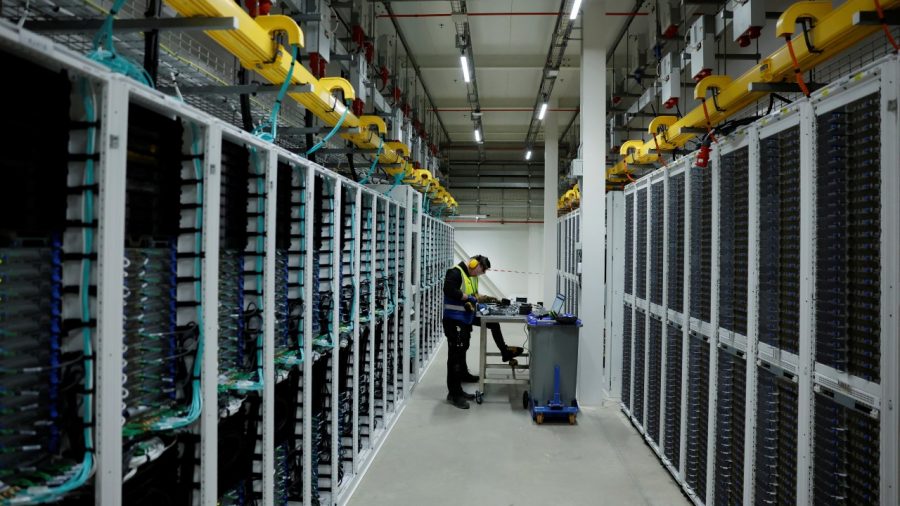
As the global demand for data centers surges, Ireland is taking a bold step to ensure sustainable growth while protecting its citizens from potential power outages and rising energy costs. The Irish government has introduced a new initiative that requires technology giants eager to establish data centers in the country to generate their own power.
A Test Case for Sustainable AI Investment
With artificial intelligence (AI) becoming an increasingly important sector, Ireland is positioning itself as a test case for other nations looking to attract tech investments without compromising on energy security. This initiative not only aims to manage the substantial energy requirements of data centers but also reflects a growing awareness of the need for sustainable practices in the tech industry.
The Energy Landscape in Ireland
Historically, Ireland has been a favorable location for tech companies due to its favorable tax regime and skilled workforce. However, the rapid expansion of data centers has raised concerns over energy consumption and reliability. The country has faced challenges in balancing the energy demands of these facilities with the needs of its citizens. By mandating that companies bring their own power sources, Ireland hopes to alleviate some of these pressures.
Regulatory Framework for Data Centers
The new regulations require tech companies to invest in renewable energy sources, such as wind or solar power, to meet their operational needs. This approach aligns with Ireland’s commitment to reducing carbon emissions and transitioning towards a greener economy. Moreover, it encourages companies to innovate in energy production, potentially leading to advancements in sustainable technologies.
Benefits for Citizens and the Environment
One of the primary motivations behind this initiative is to protect Irish citizens from the repercussions of energy shortages and increasing electricity bills. By requiring tech companies to generate their own power, the government aims to ensure that the energy supply remains stable and affordable for the general population.
- Energy Independence: By generating their own energy, companies will contribute to the diversification of the energy supply, making Ireland less reliant on imported energy.
- Environmental Responsibility: This initiative promotes the use of renewable energy, which is crucial in the fight against climate change.
- Economic Growth: Attracting tech giants can lead to job creation and economic development without compromising the local community’s energy needs.
Challenges Ahead
While the initiative is ambitious, it is not without its challenges. Tech companies may face significant upfront costs in establishing renewable energy infrastructure. Additionally, there are concerns about the capacity of the current energy grid to support such a shift, especially if multiple companies seek to generate their own power simultaneously.
The Path Forward for Ireland
As Ireland embarks on this new journey, the outcomes of its approach will be closely monitored by other countries grappling with similar issues. If successful, Ireland could set a precedent for how nations can attract tech investments while prioritizing energy security and environmental sustainability. The world will be watching as Ireland navigates this complex landscape, balancing the dual imperatives of innovation and responsibility.
Conclusion
In conclusion, Ireland’s requirement for tech titans to bring their own power represents a forward-thinking strategy that aims to safeguard the interests of its citizens while still embracing the digital future. As the global tech landscape continues to evolve, Ireland’s commitment to sustainable energy solutions could serve as a model for countries worldwide.