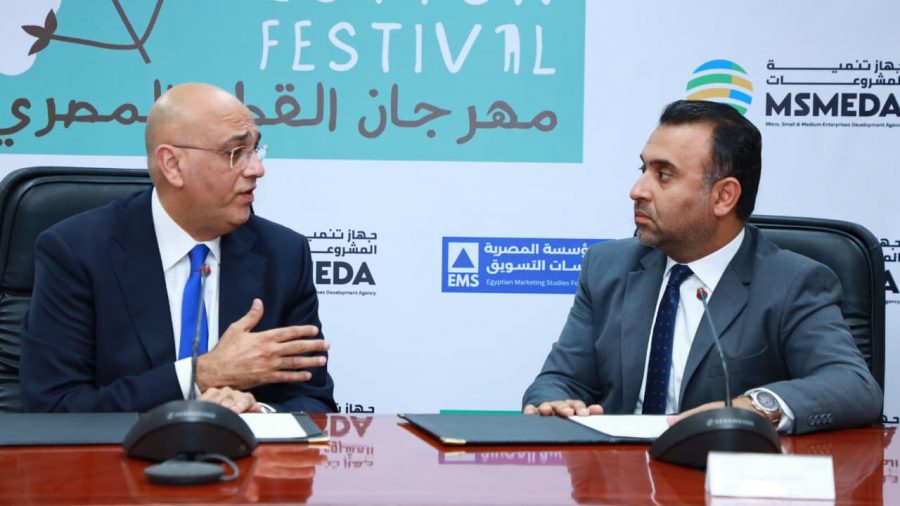
In a bid to revitalize its historic cotton industry and promote economic growth, Egypt has launched the ambitious ‘Egyptian Cotton Festival’ initiative to support micro, small, and medium enterprises (MSMEs) operating across the cotton value chain. The initiative, spearheaded by the Micro, Small and Medium Enterprise Development Agency (MSMEDA) in collaboration with Cairo Governorate and the Egyptian Marketing Studies Foundation, aims to empower businesses, create job opportunities, and enhance production clusters nationwide.
Reviving Egypt’s Cotton Legacy
Egyptian cotton, often referred to as “white gold,” has long been a hallmark of the country’s agricultural and textile sectors. However, the industry has faced challenges in recent decades, including global competition and shifting market dynamics. The ‘Egyptian Cotton Festival’ initiative represents a strategic effort to rejuvenate this iconic sector by fostering innovation, supporting entrepreneurs, and strengthening supply chains.
Key Objectives of the Initiative
The initiative is designed to address critical challenges faced by businesses within the cotton industry, particularly MSMEs that often lack access to resources and markets. Key objectives include:
- Support for MSMEs: Providing financial, technical, and logistical assistance to small enterprises engaged in cotton cultivation, processing, and manufacturing.
- Strengthening Production Clusters: Enhancing the efficiency and competitiveness of cotton production hubs across the country to boost output and quality.
- Market Expansion: Facilitating access to local and international markets for Egyptian cotton-based products, thereby increasing exports and revenue.
- Skill Development: Offering training programs and workshops to equip workers and entrepreneurs with the skills needed to thrive in the industry.
Collaboration at the Core
Partnerships lie at the heart of this initiative, with MSMEDA joining forces with Cairo Governorate and the Egyptian Marketing Studies Foundation to pool resources and expertise. These collaborations aim to ensure a holistic approach to addressing the needs of the cotton industry, from supporting farmers to enhancing the global competitiveness of finished textile products.
According to MSMEDA officials, the initiative will also emphasize sustainable practices, including water conservation and eco-friendly production methods, to align with global sustainability standards. By doing so, the program hopes to attract international buyers and investors who value environmentally responsible products.
Economic and Social Impact
Experts believe the ‘Egyptian Cotton Festival’ initiative could have far-reaching effects on Egypt’s economy and society. By supporting MSMEs and production clusters, the program is expected to generate thousands of jobs, particularly in rural areas where cotton farming is a primary source of income. Additionally, increased exports of Egyptian cotton products could help reduce the trade deficit and bolster foreign currency reserves.
“This initiative is a critical step toward restoring Egypt’s position as a global leader in the cotton industry,” said a representative from MSMEDA. “By empowering small businesses and fostering innovation, we can ensure the long-term sustainability and growth of this vital sector.”
Looking Ahead
As the initiative gains momentum, stakeholders are optimistic about its potential to transform the Egyptian cotton industry. The ‘Egyptian Cotton Festival’ is not just about preserving a historical legacy—it’s about building a sustainable future for thousands of small businesses and workers who depend on this industry for their livelihoods.
With robust support from the government, private sector, and international partners, the initiative represents a model for how targeted efforts can drive meaningful economic and social change. For Egypt, the revival of its cotton industry could mark a new chapter in its journey toward sustainable development and global economic integration.