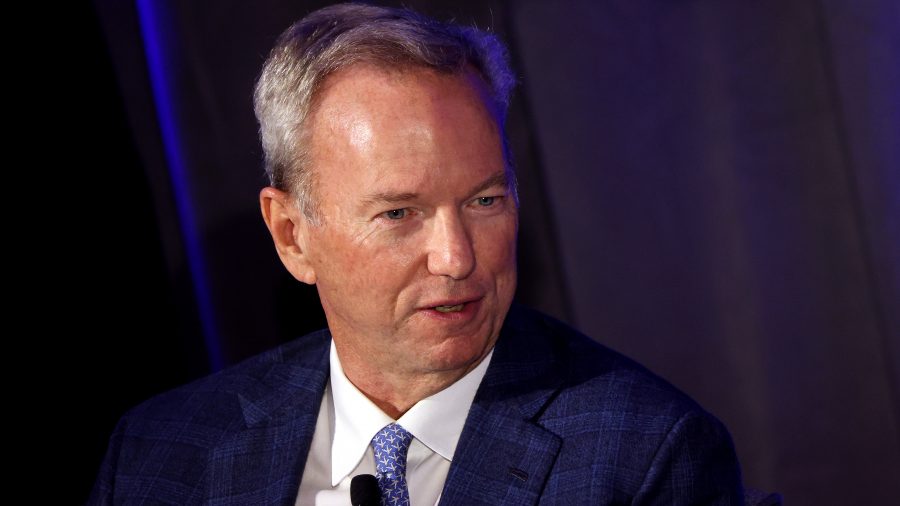
Former Google CEO Eric Schmidt, a prominent voice in the tech industry, found himself at the center of controversy during the University of Arizona’s commencement ceremony on Friday. Delivering the keynote address to a crowd of graduating students, Schmidt attempted to inspire the next generation by discussing the potential of artificial intelligence (AI). However, the reaction was far from what he might have anticipated, as his words were met with sustained boos and audible frustration from the audience.
AI and Anxiety: A Fraught Topic for Graduates
Schmidt, who led Google through a period of rapid technological advancement, has long been a vocal advocate for AI’s transformative potential. Yet, his vision of a future shaped by AI did not resonate with the graduating class, many of whom are preparing to enter an uncertain job market. AI has become a lightning rod for public anxiety, particularly among young adults concerned about its implications for employment and economic stability.
According to Business Insider, Schmidt acknowledged these concerns head-on during his speech. “It’s rational to feel that the machines are coming, that the jobs are evaporating, that the climate is breaking, that politics are fractured, and that you are inheriting a mess that you did not create,” he said. However, his attempts to address these fears were overshadowed by the crowd’s visible and vocal disapproval.
A Growing Divide Over AI
The incident highlights a growing divide between the tech elite and the general public when it comes to AI. While industry leaders like Schmidt champion AI as a tool for innovation and progress, many people remain skeptical, fearing that automation will lead to widespread job displacement and exacerbate economic inequality. For recent college graduates, these concerns are particularly acute, as they face a competitive job market where traditional roles are being reshaped—or replaced entirely—by AI technologies.
Schmidt’s frustration with the crowd’s reaction was reportedly palpable. While he attempted to strike a conciliatory tone, his message of optimism seemed to fall flat in the face of the students’ concerns. The moment underscores the challenge of bridging the gap between those driving technological advancements and those who feel left behind by them.
The Broader Implications
This episode is emblematic of a larger public debate about the role of AI in society. Experts warn that while AI offers significant opportunities in fields ranging from healthcare to climate science, it also poses risks that need to be carefully managed. Policymakers, educators, and industry leaders face increasing pressure to address these challenges and ensure that the benefits of AI are distributed equitably.
For the graduating class at the University of Arizona, Schmidt’s speech served as a stark reminder of the contradictions inherent in the modern economy. While technology promises to unlock new possibilities, it also threatens to disrupt traditional pathways to employment and stability. As these young graduates step into an uncertain future, their reaction to Schmidt’s remarks may well reflect a broader societal reckoning with the promises and perils of AI.
- AI Anxiety: Graduates express concerns over job displacement and economic instability.
- Bridging the Gap: Disconnect between tech leaders and public perception grows.
- Future Challenges: Policymakers and educators face pressure to address inequality in AI benefits.
As the debate over AI’s impact continues to unfold, the voices of those most affected—like the University of Arizona’s graduating class—will play a crucial role in shaping its trajectory. The question remains: can society find a way to harness AI’s potential while addressing its pitfalls, or will these technologies deepen existing divides?