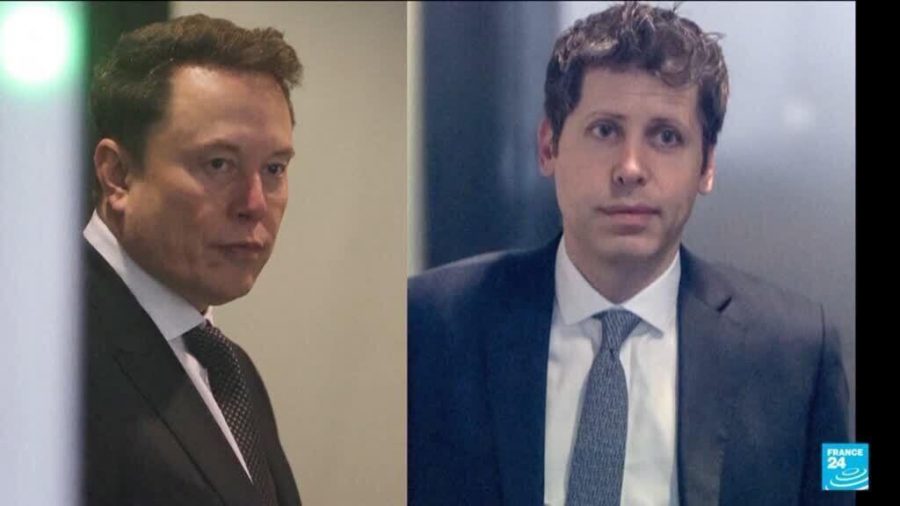
In a landmark legal showdown that captivated the tech world, Tesla and SpaceX CEO Elon Musk lost his high-profile lawsuit against artificial intelligence leader OpenAI. A federal jury ruled on Monday that Musk’s claims against the AI firm, co-founded by him in 2015, were invalid because they were brought forward too late, marking a significant setback for the billionaire entrepreneur.
The Case That Shook Silicon Valley
The lawsuit centered around Musk’s allegations that OpenAI had violated its founding principles of transparency and non-profit motives, which he argued were critical when he co-founded the organization. Musk claimed that OpenAI’s transition to a for-profit model in 2019, coupled with its subsequent billion-dollar partnership with Microsoft, diverged sharply from its original mission of ensuring artificial intelligence benefits all of humanity.
However, the jury found that Musk had waited too long to file the lawsuit, effectively nullifying his claims. Legal experts noted that statutes of limitations are a critical aspect of cases like this, and Musk’s delay in pursuing legal action ultimately cost him the case.
A Clash of Tech Titans
The trial featured testimony from some of Silicon Valley’s most influential figures, highlighting the growing tensions between tech leaders over the future of artificial intelligence. Musk, known for his outspoken opinions on AI safety and existential risks, has frequently criticized OpenAI in recent years, accusing the company of prioritizing profit over ethical considerations.
OpenAI, on the other hand, defended its evolution, arguing that it needed to adopt a hybrid for-profit model to secure sufficient funding for its ambitious research projects. The company’s groundbreaking AI technologies, such as GPT-4, have revolutionized industries but have also raised concerns about ethical implications, bias, and misuse.
Implications for the Tech Industry
The outcome of the case could have broader implications for the tech industry, particularly as companies grapple with the rapid pace of AI development. Legal analysts suggest that the ruling underscores the importance of addressing disputes in a timely manner, especially in fast-evolving sectors like artificial intelligence.
- Transparency: The case has reignited debate over the need for greater transparency and accountability in AI development.
- Ethics: Musk’s arguments have drawn attention to the ethical responsibilities of companies developing transformative technologies.
- Legal Precedents: The ruling may serve as a precedent for future disputes involving tech startups and their founders.
Despite the loss, Musk’s criticism of AI’s trajectory is unlikely to wane. The billionaire recently launched his own AI startup, xAI, which he claims will focus on building “truth-seeking” artificial intelligence systems. Meanwhile, OpenAI continues to dominate the AI landscape, with its technologies playing a pivotal role in industries ranging from healthcare to entertainment.
What’s Next for Musk and OpenAI?
While Musk’s legal battle against OpenAI has ended, the broader competition between the two entities is far from over. Musk’s xAI is poised to challenge OpenAI’s dominance, and industry watchers are keeping a close eye on how this rivalry will shape the future of artificial intelligence. For now, OpenAI emerges victorious in the courtroom, but the fight for the future of AI is just beginning.