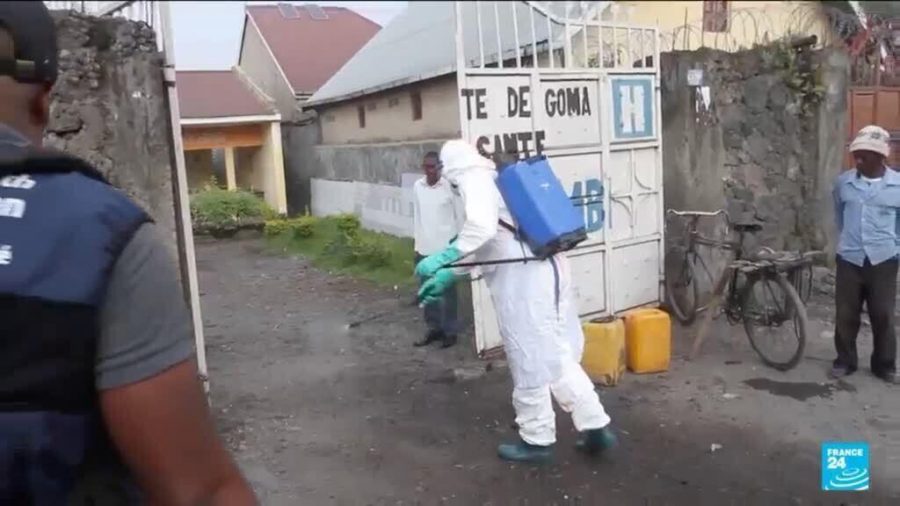
The Democratic Republic of Congo (DRC) is grappling with a devastating Ebola outbreak as the death toll rises to at least 131, according to local health authorities. The Bundibugyo strain of the virus, one of the rarer Ebola variants, continues to circulate, posing significant challenges for containment efforts in the region.
US National Evacuated for Special Treatment in Germany
Among those affected is a US national who contracted the virus while in the DRC. The individual has been evacuated to Germany for specialized treatment, officials confirmed. This marks a rare international evacuation, underscoring the severity of the outbreak and the need for advanced medical intervention for those infected.
Travel Warnings and Entry Restrictions Implemented
In response to the escalating crisis, several nations, including the United States, have issued travel warnings and imposed entry restrictions. These measures target non-US citizens who have recently visited regions severely affected by the outbreak, including the DRC, Uganda, and South Sudan. The goal of these restrictions is to prevent the virus from spreading beyond central Africa, where it has already strained public health systems.
What Makes the Bundibugyo Strain Unique?
The Bundibugyo strain of Ebola, first identified in 2007, is less common than the more well-known Zaire strain but no less lethal. This variant has a high mortality rate and poses unique challenges for treatment and vaccine development. Health experts are working tirelessly to curb its spread, but the DRC’s ongoing political instability and limited healthcare infrastructure complicate containment efforts.
Global Health Officials Sound the Alarm
The World Health Organization (WHO) and other global health agencies have ramped up efforts to combat the outbreak. Emergency response teams are on the ground, working with local health workers to trace contacts, provide care, and administer experimental vaccines. However, misinformation and distrust of medical workers in some communities remain significant hurdles.
- Emergency Funding: International donors have pledged millions of dollars to aid in the response.
- Vaccine Deployment: The recently developed Ebola vaccine has been deployed in affected areas, with thousands already vaccinated.
- Community Outreach: Efforts are being made to educate communities about the virus and reduce stigma.
Despite these efforts, health experts warn that the outbreak could worsen if not swiftly contained. The DRC’s porous borders and the internal displacement of populations due to conflict add layers of complexity to the situation.
What’s Next?
The international community is closely monitoring the situation, with calls for increased funding and resources to support the DRC in its fight against Ebola. Public health experts emphasize the need for a coordinated, global response to prevent the outbreak from evolving into a broader crisis. For now, the focus remains on saving lives and stopping the virus in its tracks.
As the DRC and its partners work to contain this deadly outbreak, the world watches with a mixture of hope and urgency, knowing that the stakes couldn’t be higher.