French Heatwave Sparks Concerns Over Food Inflation and Agriculture Crisis
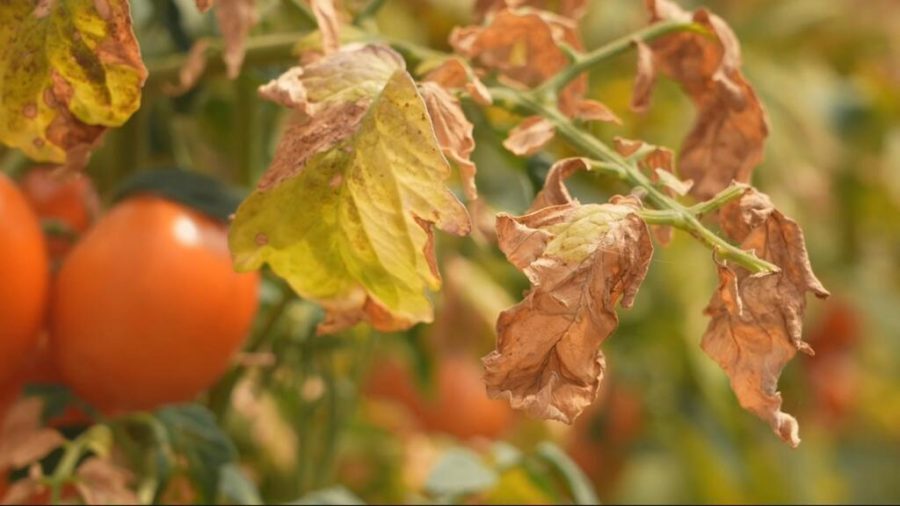
As France grapples with a severe heatwave, the agricultural sector faces unprecedented challenges, threatening food prices and the overall economy. The relentless sun has left crops like tomatoes cooking on the vine and cereal fields scorched, raising alarms for both farmers and consumers.
The Impact on Agriculture
Farmers across the country are witnessing the devastating effects of climate change firsthand. The soaring temperatures have not only stunted the growth of essential crops but also led to a significant decline in yield. Tomatoes, a staple in French cuisine, are wilting prematurely, while cereal crops have suffered severe damage, putting immense pressure on the agriculture sector.
These conditions are expected to lead to a significant spike in food prices, impacting consumers who are already feeling the pinch from inflation. According to agricultural experts, the heatwave could result in a 10-20% decrease in crop yields this season, which will likely translate into higher prices at the supermarket.
Consumer Implications
The implications for consumers are dire. As food prices continue to rise, families may struggle to afford basic necessities. This situation is exacerbated by ongoing economic pressures stemming from the pandemic and the war in Ukraine, which have already disrupted supply chains and contributed to inflation.
Shoppers can expect to see price increases in various food items, particularly fruits and vegetables, as farmers are compelled to pass on their losses. The situation calls for urgent action to mitigate the effects of climate change on agriculture and ensure food security.
EU and China Trade Relations
In light of these challenges, European Union officials are keenly aware of the international context. The EU and China have set an October deadline to make tangible progress on ongoing trade disputes. The outcome of these negotiations could play a crucial role in stabilizing food prices and trade dynamics.
With both parties under pressure to reach an agreement, the stakes are high. The resolution of these disputes could lead to enhanced cooperation in agricultural trade, which is vital in times of crisis.
Economic Resilience in the Eurozone
Meanwhile, European Central Bank President Christine Lagarde has expressed confidence in the Eurozone’s ability to withstand the fallout from these agricultural challenges. In recent statements, she emphasized that the economy remains resilient enough to handle the potential end of exceptional monetary policy measures.
Lagarde’s remarks come at a time when the ECB is assessing its next steps in monetary policy, particularly as inflation continues to be a pressing issue across the region. The bank is tasked with balancing the need for economic stability while also responding to rising prices, particularly in the food sector.
Looking Forward
The situation in France serves as a stark reminder of the urgent need to address climate change and its effects on agriculture. As the heatwave continues, both farmers and consumers are left to grapple with the consequences. Policymakers must act swiftly to implement strategies that will support the agricultural sector while ensuring that food remains accessible to all.
As the EU and China navigate their trade discussions, the agricultural crisis in France highlights the interconnectedness of global economies. With food inflation looming on the horizon, the resilience of the Eurozone economy will be put to the test in the coming months.