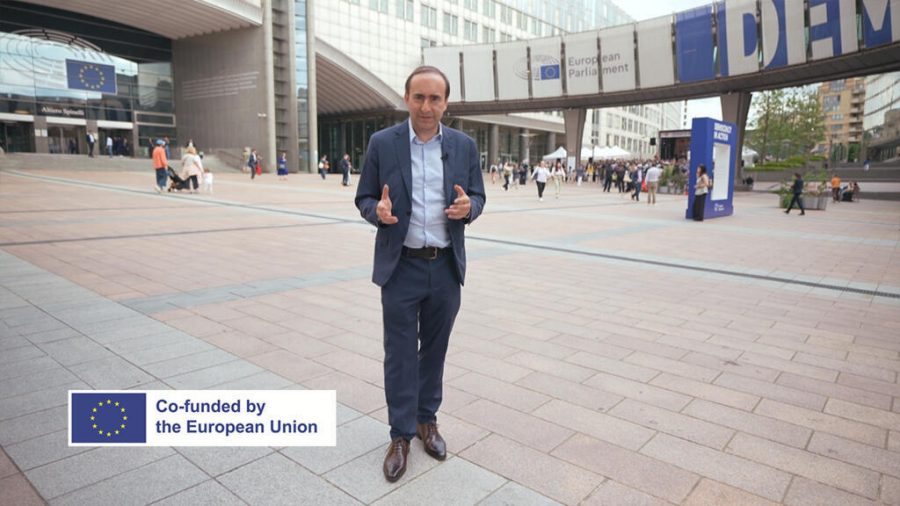
Inside the European Parliament: A Day with Belgian MEPs
The European Parliament, the only directly elected institution in the European Union, stands as a beacon of democracy and representation within the EU framework. As co-legislators alongside the EU Council, Members of the European Parliament (MEPs) play a vital role in shaping policies that affect millions of lives across Europe. But what does a day in the life of an MEP truly entail? We delve into the lives of three Belgian MEPs from different political ideologies to uncover the pressing issues they tackle on behalf of their constituents.
Understanding the Role of an MEP
MEPs are empowered to influence legislation and represent the interests of their voters at the European level. They engage in a variety of activities, including drafting reports, participating in debates, and shaping laws on key issues such as climate change, digital rights, and economic policy. Their work often requires balancing the needs of their political party with the broader interests of the EU and its member states.
Meet the MEPs: A Diverse Political Spectrum
To gain insight into the diverse perspectives within the European Parliament, we spoke with three Belgian MEPs from contrasting parties: the Flemish Liberals and Democrats (Open VLD), the Socialist Party (PS), and the Green Party (Ecolo). Each representative brings a unique viewpoint to the table, reflecting the multifaceted nature of Belgian and European politics.
- Open VLD: Focus on Economic Recovery
- PS: Championing Social Justice
- Ecolo: Environmental Advocacy
MEP Tom Vandenkendelaere from the Open VLD party emphasizes the importance of economic recovery in the wake of the COVID-19 pandemic. He advocates for policies that stimulate growth and innovation, particularly in technology and sustainability. Vandenkendelaere believes that Europe must position itself as a global leader in green technologies to ensure a prosperous future.
On the other end of the spectrum, MEP Marie Arena represents the Socialist Party and prioritizes social justice and equality. She is passionate about advocating for workers’ rights and social protections, especially during economic downturns. Arena’s initiatives focus on ensuring that vulnerable populations are not left behind in the post-pandemic recovery.
From the Green Party, MEP Philippe Lamberts champions environmental issues and climate action. He argues that tackling climate change is not only a moral obligation but also an economic opportunity. Lamberts works on legislation aimed at achieving the EU’s ambitious climate targets while promoting sustainable practices across industries.
Key European Issues on the Agenda
As these MEPs engage in their daily work, several key issues dominate discussions in the European Parliament:
- Climate Change: With the EU’s goal of becoming climate-neutral by 2050, MEPs are tasked with developing policies that support sustainable energy and reduce carbon emissions.
- Digital Transformation: The rapid evolution of technology presents both opportunities and challenges. MEPs are actively involved in shaping regulations that protect citizens’ digital rights and ensure data privacy.
- Migration Policy: The ongoing refugee crisis necessitates a cohesive response from the EU. MEPs are working to create a fair and effective migration policy that respects human rights.
The Importance of Representation
Through their diverse ideologies and commitments, these Belgian MEPs exemplify the importance of representation in the European Parliament. Their work not only influences legislation but also reflects the values and concerns of their constituents. As Europe faces unprecedented challenges, the role of MEPs becomes increasingly crucial in steering the continent toward a brighter future.
In conclusion, understanding the intricacies of the European Parliament and the dedication of its MEPs is essential for appreciating how democracy functions at the EU level. By engaging with representatives from various political backgrounds, citizens can better grasp the complexities of European governance and the vital issues that shape their lives.