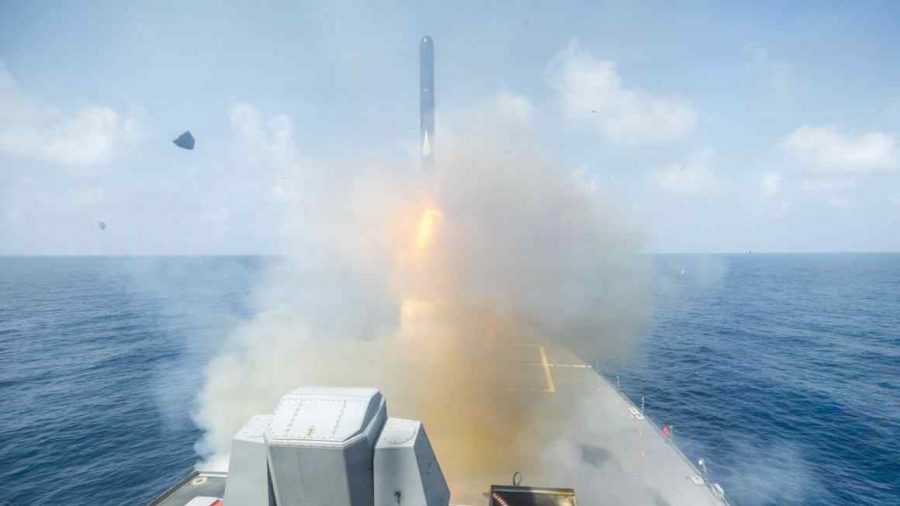
Germany Woos Trump with Bold Plan for U.S. Weapons Production in Europe
As NATO prepares for its upcoming summit, Germany is intensifying discussions with the United States about establishing a joint weapons production initiative in Europe. This strategic maneuver aims not only to bolster defense capabilities but also to enhance transatlantic relations amidst increasing global tensions.
A New Era of Defense Collaboration
In a bid to appeal to former President Donald Trump and his administration’s emphasis on American manufacturing, German officials are exploring “joint production concepts” that could see U.S. military weapons manufactured on European soil. This initiative reflects a growing recognition of the need for Europe to enhance its own defense capabilities, particularly in the face of potential threats from Russia and other geopolitical challenges.
Accelerated Talks Ahead of NATO Summit
With the NATO summit fast approaching, German leaders are eager to finalize plans that could be presented as a demonstration of unity and shared commitment to defense among member nations. The discussions are characterized by a sense of urgency, as both sides recognize the need for collaborative efforts to address security concerns.
Why Joint Production Matters
There are several key reasons why joint production of weapons in Europe is becoming increasingly important:
- Strengthening Defense Capabilities: By producing U.S. weapons in Europe, Germany and its allies can enhance their military readiness and reduce reliance on transatlantic supply chains.
- Economic Benefits: Establishing production facilities in Europe could create jobs and stimulate local economies while also fostering technology transfer and innovation.
- Political Relations: Collaborating on defense production could help solidify the U.S.-Germany alliance, sending a strong message of unity to adversaries.
- Response to Global Threats: The increasing unpredictability of global geopolitics necessitates a proactive approach to defense, making joint production a timely initiative.
Potential Challenges Ahead
While the concept of joint production is appealing, it is not without its challenges. Concerns about intellectual property rights, regulatory hurdles, and the differing defense procurement processes between the U.S. and European nations could complicate negotiations. Additionally, there is the ever-present question of balancing national security interests with economic considerations.
Reactions from Political Leaders
Political leaders from both sides of the Atlantic have expressed cautious optimism regarding the initiative. German Chancellor Angela Merkel has emphasized the importance of a strong transatlantic partnership, stating, “In these uncertain times, we must work together to ensure our mutual security and shared values. Joint production of defense systems is a step toward that goal.”
Meanwhile, U.S. officials have highlighted the potential for increased American jobs through this initiative, with one senior defense official noting, “Bringing production closer to our allies not only enhances our security but also supports the American workforce and innovation.”
Looking Ahead
As discussions progress, the outcome of these negotiations could have far-reaching implications for NATO and transatlantic relations. If successful, the joint production initiative could serve as a model for future defense collaborations and represent a significant shift in how NATO allies approach military readiness in an increasingly complex world.
With the NATO summit on the horizon, all eyes will be on the discussions taking place between Germany and the U.S. to see if they can forge a path forward that strengthens their defense ties and secures the safety of their citizens.