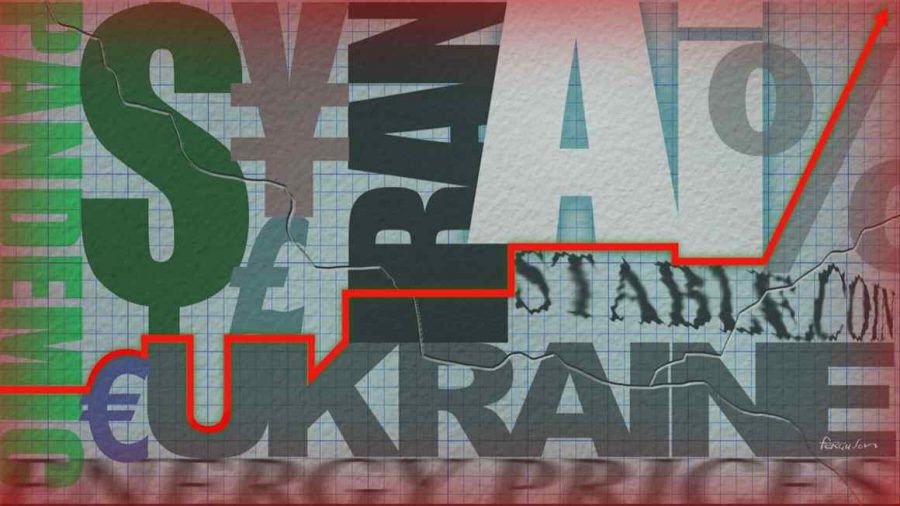
The Fragility of Global Economic Resilience
In an interconnected world, the resilience of economies is often taken for granted. However, recent events have raised critical questions about whether our economic systems are truly robust or merely lucky.
The Illusion of Invulnerability
Many experts argue that the perception of invulnerability in global economies is a dangerous illusion. While markets may seem stable, beneath the surface lies a complex web of vulnerabilities that could unravel at any moment. For instance, supply chain disruptions, geopolitical tensions, and climate change are just a few factors that can significantly impact economic stability.
The Role of Luck in Economic Resilience
Luck has played a significant role in maintaining economic stability over the past few decades. Many economies have benefited from favorable conditions, such as low-interest rates and increased globalization. However, this reliance on a stroke of good fortune raises concerns about long-term sustainability. The question remains: how long can we depend on luck to shield us from economic downturns?
Factors Contributing to Economic Fragility
- Supply Chain Disruptions: The COVID-19 pandemic exposed significant weaknesses in global supply chains, leading to shortages and inflated prices.
- Geopolitical Tensions: Trade wars and political unrest can have immediate and far-reaching effects on economies worldwide.
- Climate Change: Natural disasters and environmental shifts threaten agricultural production and infrastructure, impacting economic performance.
- Technological Disruption: Rapid advancements in technology can create economic winners and losers, leaving some sectors vulnerable to obsolescence.
Lessons from History
History has shown that economic resilience can be deceptive. The 2008 financial crisis serves as a stark reminder of how quickly seemingly stable economies can collapse. Financial institutions that were once viewed as invulnerable fell under the weight of their own complexities. Economies worldwide felt the ripple effects, leading to massive unemployment and social unrest.
Preparing for Future Economic Challenges
To strengthen economic resilience, policymakers and business leaders must acknowledge the fragility of the current system. This involves investing in diversified supply chains, enhancing regulatory frameworks, and prioritizing sustainable practices. Additionally, fostering innovation and adaptability can help economies better withstand unforeseen shocks.
The Path Forward
As we reflect on the state of global economies, it is essential to recognize that resilience does not equate to invulnerability. By learning from past mistakes and preparing for future challenges, we can build a more robust economic framework that reduces reliance on luck and enhances long-term stability.
Conclusion
The fragility of the world’s economic resilience is a reminder that we are not invulnerable. Engaging in proactive measures will be crucial as we navigate an uncertain future, ensuring that economies are not just lucky but genuinely resilient.