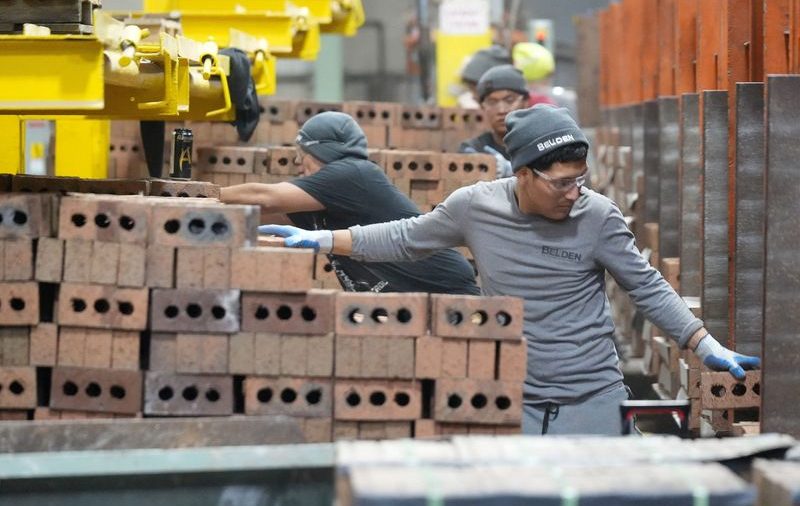
The Rising Power Costs in the Rust Belt
In the heart of America’s Rust Belt, a silent struggle is unfolding as factories combat rising energy costs, largely driven by the expanding presence of Big Tech data centers. The proliferation of these energy-intensive facilities is placing an unprecedented strain on local power grids, leading to soaring electricity bills that threaten the very fabric of manufacturing in the region.
Big Tech’s Growing Footprint
Over the past decade, major technology companies have increasingly invested in data centers across the Midwest, attracted by the region’s relatively low energy prices and favorable tax incentives. However, this surge in demand for electricity has resulted in a cascading effect on local economies, especially in areas historically reliant on manufacturing.
The Impact on Local Factories
Manufacturers in the Rust Belt have begun to feel the pinch as their operational costs rise. Many factories are reporting increases in their electricity bills by as much as 30% since the arrival of these data centers. This has raised concerns about the sustainability of manufacturing jobs in a region already grappling with economic transformation.
- Increased Competition for Power: With data centers consuming massive amounts of electricity, local factories find themselves competing for limited resources.
- Job Threats: Higher energy costs may lead manufacturers to downsize or relocate, resulting in job losses in communities that can least afford it.
- Infrastructure Strain: The infrastructure in many Rust Belt towns is struggling to keep pace with the increased demand for power.
The Economic Ripple Effect
As energy costs rise, the implications extend beyond just the factories themselves. Higher prices are likely to trickle down to consumers, as manufacturers may pass on their increased operational costs through higher prices for goods. In a region already facing economic challenges, this could create a feedback loop that exacerbates the situation.
What Can Be Done?
Local governments, energy providers, and corporations must collaborate to find solutions that balance the needs of both Big Tech and traditional industries. Potential strategies could include:
- Renewable Energy Investment: Investing in renewable energy sources can help alleviate some of the pressure on local power grids.
- Regulatory Reforms: Implementing policies that ensure a fair allocation of resources between data centers and local manufacturers.
- Community Engagement: Involving local communities in discussions about energy policy can lead to more equitable solutions.
A Call for Balance
As Big Tech continues to expand, it is crucial for stakeholders to recognize the broader implications of their growth. The Rust Belt’s factories are not just relics of the past; they represent the backbone of American manufacturing and the livelihoods of countless workers. Striking a balance between technological advancement and the preservation of traditional industries will be key to ensuring a sustainable future for the region.
Conclusion
The challenges posed by rising power costs in the Rust Belt highlight the need for strategic planning and collaboration among all parties involved. By addressing the energy needs of both Big Tech and local manufacturers, the region can work towards a more resilient economic future.