Recent Bombings Highlight Ongoing Security Challenges in Syria
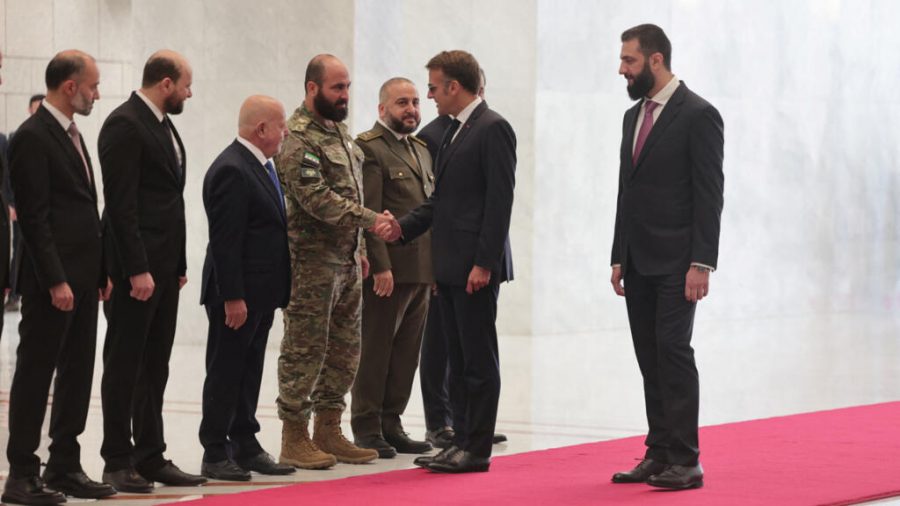
In a troubling reminder of the precarious security situation in Syria, at least 18 people were injured in two bomb explosions in central Damascus. The blasts occurred near the hotel where French President Emmanuel Macron is currently staying, underscoring the risks that continue to plague the war-torn nation.
Damascus’ Bid for Rehabilitation and Investment
As Syria grapples with persistent security challenges, the government in Damascus is actively seeking to rehabilitate its image on the international stage. Ahmed al-Sharaa, the Syrian Deputy Foreign Minister, has been vocal about the country’s need for foreign investment to facilitate reconstruction efforts. The ongoing conflict has left Syria in ruins, and the government is keen to entice international investors to help rebuild the nation.
The West’s Role in Syria’s Future
The situation poses a complex dilemma for Western nations. While there is a clear recognition of the humanitarian needs in Syria, the political landscape remains fraught with tensions. The West has been critical of the Syrian government, particularly in the wake of the brutal civil war which has devastated the country and displaced millions.
- Over 500,000 people have died due to the conflict.
- More than 6 million Syrians remain internally displaced.
- Several million others have sought refuge in neighboring countries and beyond.
Despite these challenges, there is a growing sentiment among some Western countries that engaging with Syria might be necessary for regional stability. By supporting reconstruction efforts, the West could also help mitigate potential security threats that arise from a continued lack of stability in the region.
Investment Opportunities and Risks
As Damascus extends its hand for foreign investment, it is crucial for potential investors to weigh the opportunities against the inherent risks. The Assad regime has been known for its authoritarian practices and human rights abuses, which could deter many from entering the market. However, al-Sharaa argues that the country is committed to overcoming these challenges and creating a more secure environment for business.
“Syria is dealing with important security challenges, but we are determined to create a safe atmosphere for investment,” al-Sharaa stated during a recent press conference. His remarks come amidst a backdrop of violence that continues to raise alarms about the safety of potential foreign investors.
A Path Forward for Syria?
For Syria to attract the necessary foreign investment, it must first demonstrate a commitment to stability and reconstruction. This includes addressing security concerns and implementing policies that foster a welcoming environment for international businesses. The government is facing an uphill battle, as skepticism remains high among foreign entities wary of the risks involved.
As the international community watches closely, the outcome of Damascus’ efforts could have far-reaching implications not just for Syria, but for the entire region. If successful, these initiatives could pave the way for a new chapter in Syria’s history—one characterized by reconstruction and renewed hope, rather than conflict and despair.
Conclusion
The recent bombings in Damascus serve as a stark reminder of the challenges ahead for Syria. As the government seeks to rehabilitate its image and attract foreign investment, it faces the dual task of ensuring security and rebuilding trust with the international community. The path forward remains fraught with obstacles, but the stakes are high for both the Syrian people and the broader geopolitical landscape.