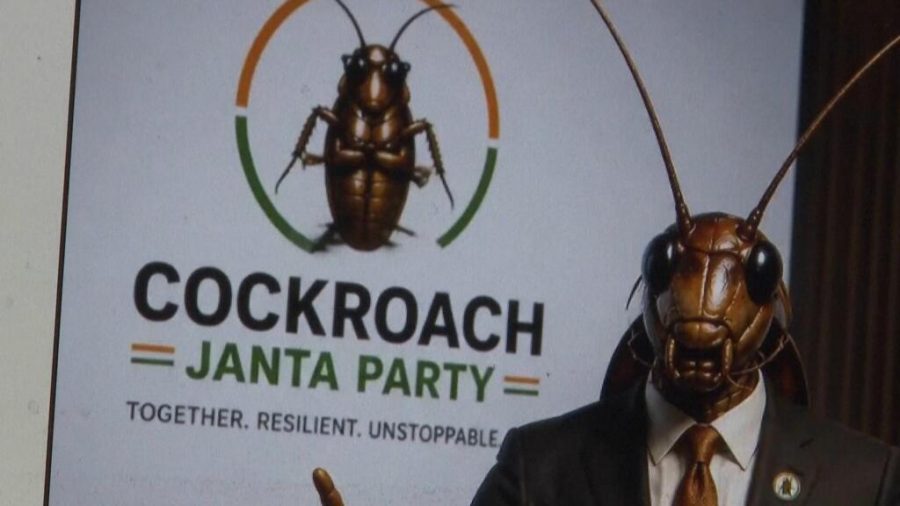
India’s Cockroach Party: A Youth Movement Demanding Accountability
In a political landscape often marked by disillusionment, the Cockroach Janta Party (CJP) has emerged as a unique force, resonating with the frustrations of India’s younger generations. This nascent political movement, though small in size, has sparked conversations about accountability, governance, and the role of youth in shaping the future of the nation.
The Rise of the Cockroach Janta Party
Founded in the midst of growing dissatisfaction with traditional political establishments, the Cockroach Janta Party symbolizes a vibrant and unconventional approach to activism and governance. The party’s spokesperson, Saurav Das, explains that the name “Cockroach” is a metaphor for resilience and survival in an often harsh political environment. “Just like cockroaches, we refuse to be ignored. We are here to stay and demand change,” Das asserts.
Connecting with the Youth
At the heart of the CJP’s mission is its connection with India’s youth, who make up a significant portion of the electorate. Political scientist Christophe Jaffrelot highlights the deepening disillusionment among young voters, who feel their voices are often drowned out by established political parties. “The youth are tired of promises that go unfulfilled. They are seeking a platform that truly represents their needs and aspirations,” Jaffrelot notes.
Demands for Accountability
One of the primary objectives of the Cockroach Party is to hold the government accountable for its actions. With rising unemployment, inflation, and a perceived lack of transparency in governance, the CJP stands firm on its demand for responsibility from those in power. “We want a government that listens and acts. Our movement is about making politicians answerable to the people,” Das states emphatically.
Challenges Ahead
However, the road ahead is fraught with challenges. The CJP faces attempts to discredit its movement from various quarters, including established political parties that see this new movement as a threat. “They label us as fringe or radical, but we are simply advocating for the basic rights of citizens,” Das responds, emphasizing the need for unity among young voters.
Lessons for Opposition Parties
As the Cockroach Janta Party gains momentum, established opposition parties in India are watching closely. Jaffrelot suggests that they must learn from the CJP’s grassroots approach to mobilizing youth. “Instead of merely criticizing the ruling party, opposition parties need to engage with youth on issues that matter to them, such as education, employment, and healthcare,” he advises.
A Viral Movement
The Cockroach Party has effectively utilized social media to amplify its message and engage with a broader audience. This viral movement has captured the imagination of many young Indians, who are eager to participate in shaping the political discourse of their country. From memes to online campaigns, the CJP has embraced digital tools to reach out to the youth, making politics more accessible and relatable.
Conclusion: A New Political Era?
As India navigates its complex political landscape, the rise of the Cockroach Janta Party signifies a potential turning point. This movement not only reflects the frustrations of a generation but also embodies the hope for a more accountable and responsive government. As the youth continue to rally behind the CJP, the implications for India’s political future could be profound. The question remains: will the established parties adapt, or will they continue to overlook the voices of the young electorate?