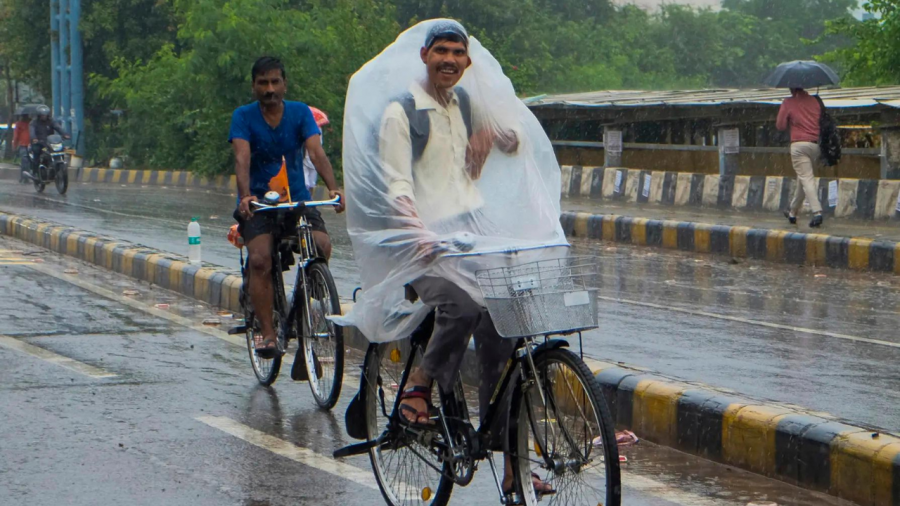
India’s Weather Forecast: Rainfall and Heatwaves in May
As May approaches, India faces a unique weather pattern characterized by an expected increase in rainfall across many regions, potentially keeping temperatures lower than usual. However, certain areas, particularly the Himalayan foothills, the eastern coast, and parts of Maharashtra and Gujarat, are bracing for an above-normal number of heatwave days.
Rainfall Expected to Alleviate Heat
The Indian Meteorological Department (IMD) has indicated that this year’s monsoon onset might bring above-normal rainfall, which is expected to mitigate extreme heat conditions that typically prevail during May. Many regions that usually experience sweltering temperatures may find some relief due to this rainfall. This phenomenon can be attributed to several climatic factors, including changes in wind patterns and oceanic conditions.
Regions Facing Heatwaves
While many areas will benefit from the cool relief of rain, certain regions will not be as fortunate. The Himalayan foothills are likely to experience an uptick in heatwave days, with predictions of soaring temperatures that could exceed seasonal norms. Similarly, coastal areas in the east and parts of Maharashtra and Gujarat are expected to see an increase in heatwave occurrences, putting additional strain on local populations.
Warmer Nights and Climate Change
In addition to the variable daytime temperatures, residents in many parts of India can anticipate warmer nights this May. This increase in nighttime temperatures is closely linked to the broader impacts of climate change, which is influencing weather patterns across the globe. The rise in average temperatures at night can exacerbate discomfort and health risks for vulnerable populations, particularly the elderly and those with pre-existing health conditions.
Implications for Agriculture and Daily Life
The impact of these weather patterns extends beyond mere comfort levels; they hold significant implications for agriculture and daily life. Farmers may benefit from the rainfall, as it can help nourish crops and replenish water sources. However, the unpredictability of heatwaves poses a risk to agricultural productivity, especially for crops sensitive to temperature fluctuations.
- Farmers: They may need to adapt their planting schedules or invest in irrigation solutions to cope with the erratic weather.
- Urban Areas: Cities may face increased energy demand due to air conditioning usage, leading to potential strain on power grids.
- Health Risks: The combination of high daytime temperatures and warm nights can lead to heat-related illnesses, necessitating public health campaigns to educate communities.
Conclusion
The upcoming month of May promises a mixture of significant rainfall and heatwave days across India, creating a complex tapestry of weather that will affect millions. While the anticipated rainfall may bring some respite from the heat, the regions expected to experience elevated heatwave days will need to prepare for the challenges ahead. As climate change continues to reshape weather patterns, understanding these changes will be crucial for adapting and protecting the health and livelihoods of those affected.