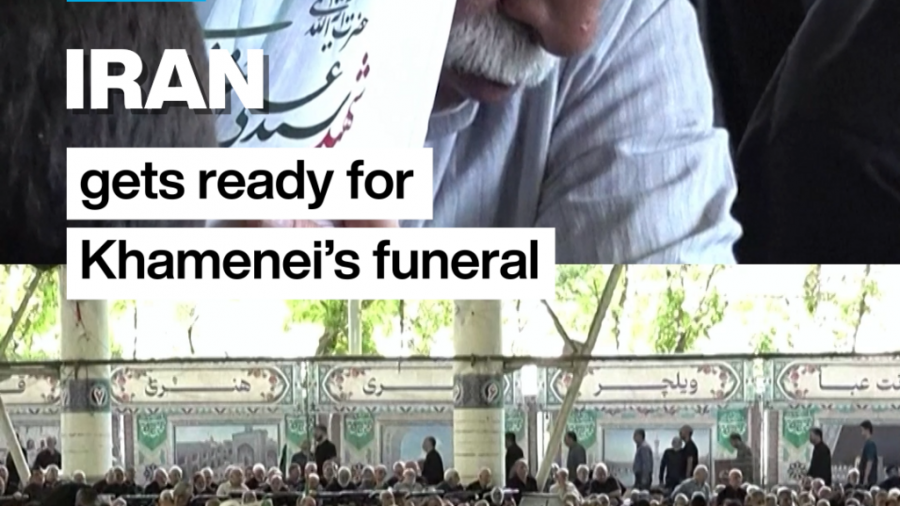
Iran is bracing for a monumental event as preparations intensify for the funeral of the late Supreme Leader, Ali Khamenei, who was tragically assassinated in a US-Israeli strike in February 2026. Scheduled for July 4, the funeral is projected to attract between 15 and 20 million mourners, marking a significant and somber moment in the country’s history.
Assassination of Ali Khamenei: A Turning Point for Iran
The assassination of Khamenei sent shockwaves throughout Iran and the broader Middle East, igniting fervent discussions regarding the future of the Iranian leadership and its political landscape. Khamenei, who had served as Iran’s Supreme Leader since 1989, was a pivotal figure in the Islamic Republic, known for his hardline stance against Western influence and his commitment to Iran’s revolutionary ideals.
Security Measures in Place for the Funeral
As millions prepare to pay their respects, Iranian authorities are implementing stringent security measures to ensure the safety of attendees. The Ministry of Interior has announced that security forces will be deployed throughout the capital, Tehran, and other major cities to maintain order and prevent any potential unrest.
Anticipated Attendance and National Mourning
The expected turnout for Khamenei’s funeral is unprecedented, with estimates suggesting that crowds could swell to as high as 20 million people. Officials are preparing for a massive influx of mourners from across the country and beyond, as many Iranians view this event as a crucial opportunity to express their loyalty to the late leader and the ideals he represented.
- Public Mourning: The Iranian government has declared a national mourning period, encouraging citizens to participate in commemorative events.
- Cultural Significance: Khamenei’s funeral will also serve as a platform for the government to reinforce its narratives and political ideologies, emphasizing unity and resilience in the face of external threats.
- International Reactions: The global community is closely monitoring the developments in Iran, anticipating potential shifts in geopolitical dynamics following Khamenei’s death.
Impact on Iran’s Political Future
The death of Khamenei raises questions about the future direction of Iran’s leadership. Analysts speculate on the potential for political shifts as various factions within the government vie for power in the wake of his assassination. Some believe that this could lead to a more moderate approach in foreign policy, while others fear it may intensify hardline sentiments.
Public Sentiment and Legacy
Khamenei’s legacy is complex, marked by both staunch loyalty from his supporters and significant opposition from reformists and dissenters. As Iranians gather to mourn, discussions surrounding his leadership and the direction of the country will undoubtedly dominate conversations.
The Role of Religious Authority
Religious leaders will play a crucial role in the funeral proceedings, providing spiritual guidance and support to the grieving public. The intertwining of religious authority and political power in Iran underscores the significance of Khamenei’s role as both a spiritual leader and a political figure.
Looking Ahead
As the nation prepares to say goodbye to one of its most influential leaders, the world watches closely to see how Iran will navigate this period of transition. The upcoming funeral on July 4 is set to be a historic event, not just for Iran, but for the entire region, potentially signaling a new chapter in the country’s tumultuous political landscape.