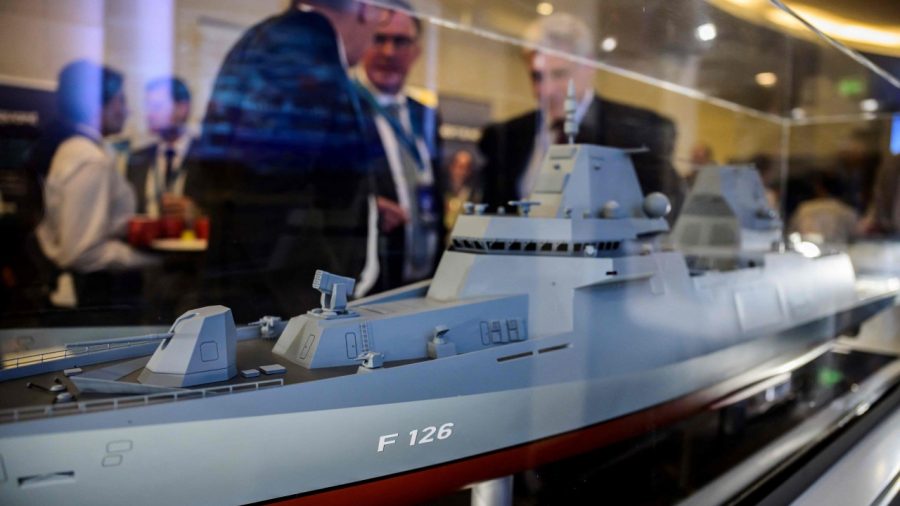
Thales Struggles After Germany Halts F126 Frigate Project
In a significant blow to the French aerospace and defense giant Thales, the company announced it will incur a financial charge in the first half of the year following Germany’s abrupt decision to scrap its F126 frigate procurement program. This decision not only impacts Thales but also raises questions about the future of defense collaboration in Europe.
The F126 Frigate Program: An Overview
The F126 frigate project was initially envisioned as a vital component of Germany’s naval modernization efforts. Designed to replace the aging fleet of frigates, the F126 was expected to enhance Germany’s maritime capabilities in a rapidly evolving geopolitical landscape. Thales, along with its partners, was poised to deliver advanced technology and systems for these vessels.
Germany’s Decision: What Led to the Cancellation?
Germany’s decision to halt the F126 program stems from a confluence of factors, primarily budgetary constraints and shifting defense priorities. As European nations reassess their military spending in the wake of global security challenges, the focus has shifted towards more immediate and pressing defense needs.
- Budget Constraints: The German government is grappling with fiscal pressures that have necessitated a re-evaluation of defense expenditures.
- Changing Defense Priorities: With evolving threats, Berlin has opted to prioritize capabilities that address current security challenges over long-term naval projects.
- Internal Political Dynamics: The decision has also been influenced by internal political debates regarding military spending and procurement processes.
Impact on Thales and the Defense Industry
The cancellation of the F126 program is expected to have a tangible impact on Thales’s financial performance. The company has indicated that it will record a charge in the first half of the fiscal year, reflecting the loss of expected revenue from the project. Analysts anticipate that this financial setback may lead to broader implications for Thales’s market position and future contracts.
Thales, a leading player in the global defense industry, has been at the forefront of developing advanced naval technologies. The loss of the F126 contract not only represents a financial blow but also raises concerns about the viability of future collaborations between European defense contractors and national governments.
Broader Implications for European Defense Cooperation
This incident highlights the fragility of defense cooperation within Europe, as countries navigate their individual security needs amid an uncertain global landscape. The decision to scrap the F126 program may serve as a cautionary tale for other nations contemplating similar programs in the future.
As European countries increasingly face external threats, such as cyber warfare and geopolitical tensions, the need for robust defense systems remains paramount. However, the path forward will require careful consideration of budgetary realities and strategic priorities.
Looking Ahead: What’s Next for Thales?
In light of the cancellation, Thales will need to reassess its strategy and seek new opportunities to mitigate the impact of this setback. The company may focus on diversifying its portfolio and exploring alternative projects that align with the changing demands of European defense.
As the defense landscape evolves, Thales will be challenged to remain competitive while navigating the complexities of international defense contracts. The future of defense collaboration in Europe will depend on the ability of countries and companies to adapt to changing circumstances and work together to enhance collective security.