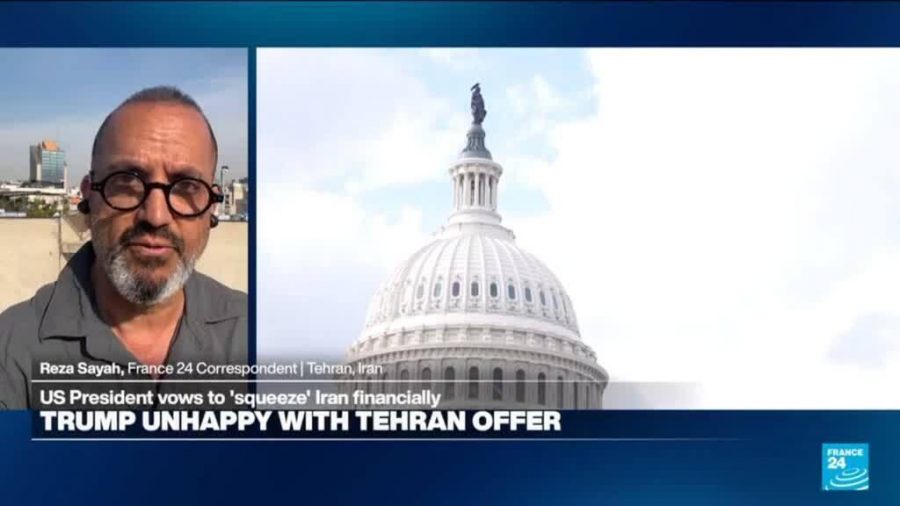
In a significant development in the ongoing geopolitical tensions, Iran has unveiled a new proposal aimed at reviving the stalled peace talks with the United States. This move comes amidst a backdrop of persistent hostilities and diplomatic standoffs, raising hopes for a potential breakthrough in the long-standing conflict.
Background of the Conflict
The Iran-U.S. relationship has been fraught with conflict since the 1979 Islamic Revolution, which resulted in the severing of diplomatic ties. The situation escalated further in 2018 when the Trump administration withdrew from the nuclear deal, imposing severe sanctions on Iran. These sanctions have crippled Iran’s economy and heightened tensions in the region, leading to a cycle of retaliation and military posturing.
The New Proposal
Tehran’s latest proposal, as reported by FRANCE 24 correspondent Reza Sayah, seeks to address some of the key sticking points that have stalled discussions. While specifics of the proposal remain under wraps, sources indicate that it may involve concessions on both sides, aiming to create a framework for renewed negotiations.
What We Know So Far
- Diplomatic Channels: Iran’s new proposal is being communicated through various diplomatic channels, signaling a willingness to engage in dialogue.
- Focus on Sanctions Relief: A critical component of the proposal is likely to focus on sanctions relief, which Iran has long demanded as a prerequisite for any agreement.
- Regional Stability: Tehran’s proposal may also address broader issues related to regional stability, including security arrangements in the Persian Gulf.
- Timing and Context: The proposal comes at a time of heightened tensions, with military incidents occurring in the region, making the need for a diplomatic solution even more urgent.
Challenges Ahead
Despite the potential for progress, significant challenges remain. The U.S. administration has been cautious in its approach, with officials indicating that any negotiations must result in verifiable commitments from Iran regarding its nuclear program and regional activities.
Political Dynamics in Iran
Internally, Iran’s political landscape is complex. The hardline factions within the government may resist any proposal perceived as a capitulation to U.S. demands, complicating the negotiation process. Furthermore, the Iranian public, fatigued by years of economic hardship due to sanctions, will be closely watching the government’s actions as the proposal unfolds.
International Reactions
The international community has been cautiously optimistic about Iran’s new proposal. European allies, who have long advocated for diplomacy, are likely to welcome any initiative aimed at de-escalation. However, they remain skeptical about Iran’s commitment to genuine negotiations, given the historical context of broken promises.
The Path Forward
For the peace talks to advance, both sides will need to demonstrate flexibility and a genuine commitment to finding common ground. Analysts suggest that back-channel communications may play a crucial role in bridging the gaps that have hindered progress thus far.
Conclusion
As Tehran rolls out its new proposal, the world watches closely. The stakes are high, with potential implications not only for U.S.-Iran relations but for the broader stability of the Middle East. Whether this initiative can break the deadlock remains to be seen, but it undoubtedly marks a pivotal moment in a protracted struggle for peace.