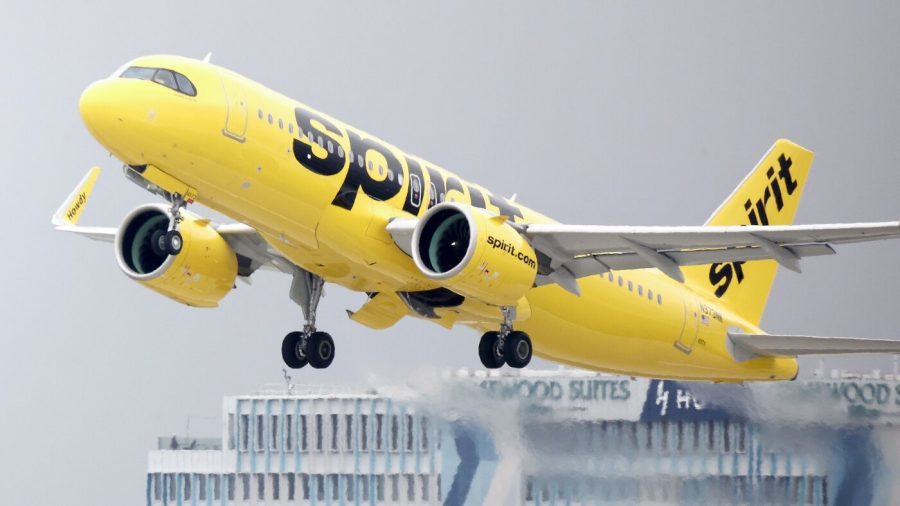
Spirit Airlines Ceases Operations After Years of Financial Struggles
In a shocking turn of events, Spirit Airlines has officially announced that it will cease all operations, marking the end of an era for the low-cost carrier. This decision comes after years of mounting financial challenges and failed attempts to secure a much-needed financial lifeline from the federal government.
The Financial Crisis Unfolds
Spirit Airlines, known for its budget-friendly fares and no-frills service, has struggled to maintain profitability in an increasingly competitive airline industry. The company’s financial woes have been exacerbated by rising fuel costs, operational inefficiencies, and shifting consumer preferences in air travel.
Despite its efforts to turn around its fortunes, including seeking a $500 million bailout from the White House, negotiations ultimately fell through. This lack of financial support left Spirit with no choice but to halt its operations entirely.
The Impact of the Shutdown
The abrupt closure of Spirit Airlines has sent shockwaves throughout the travel industry, leaving thousands of passengers stranded and employees without jobs. The low-cost carrier had been a popular choice for budget-conscious travelers, providing affordable options for domestic and international flights.
- Passenger Disruptions: Travelers who had booked flights with Spirit are now scrambling to find alternative transportation, facing the daunting task of rescheduling their travel plans.
- Job Losses: The airline’s closure affects thousands of employees, many of whom are now seeking new employment in a challenging job market.
- Industry Ripple Effects: Competitors may benefit from Spirit’s exit, but the overall airline industry faces continued uncertainty as it navigates recovery from the COVID-19 pandemic.
What Went Wrong?
The demise of Spirit Airlines can be attributed to a combination of factors. The airline was already struggling with financial difficulties prior to the pandemic, but the crisis has since intensified. Here are some key reasons behind Spirit’s operational halt:
- High Operating Costs: Increased fuel prices and maintenance expenses significantly impacted the airline’s bottom line, making it difficult to sustain low fares.
- Consumer Behavior Changes: As travelers became more cautious during the pandemic, the demand for budget airlines like Spirit fluctuated, affecting revenue.
- Competition: The rise of other low-cost carriers and the recovery strategies adopted by major airlines have created a fiercely competitive environment.
The Future of Budget Airlines
The closure of Spirit Airlines raises questions about the future of budget airlines in the U.S. While there is still a demand for affordable travel options, the landscape has changed significantly. Other low-cost carriers will likely look to capitalize on Spirit’s exit, but they must also navigate the same challenges that led to Spirit’s downfall.
As the airline industry continues to recover from the pandemic, the fate of budget carriers hangs in the balance. Stakeholders are now more aware than ever of the need for financial resilience and adaptability in an unpredictable market.
Conclusion
Spirit Airlines’ shutdown marks a significant moment in the aviation industry, highlighting the vulnerabilities of low-cost carriers amid economic challenges. As travelers and employees grapple with the implications of this closure, the future remains uncertain for budget airlines in a post-pandemic world.