Iran Introduces Insurance Fees for Maritime Passage
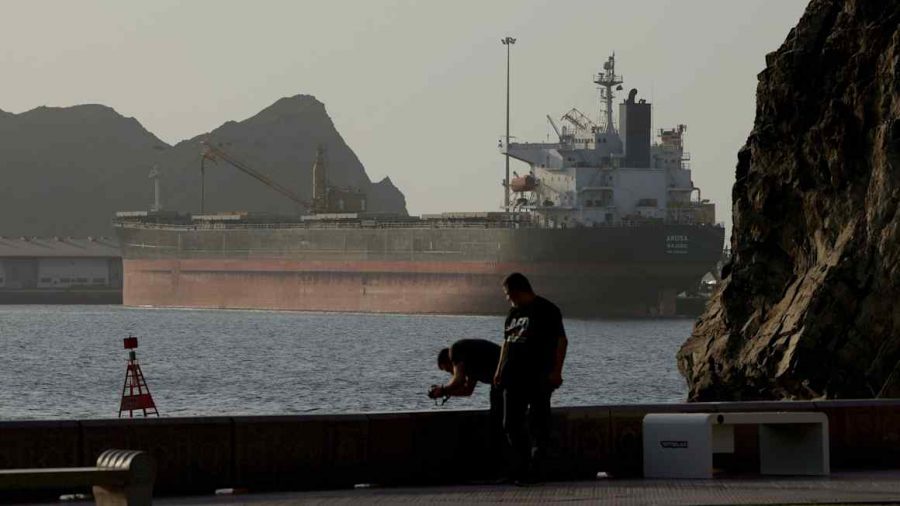
In a significant development in maritime security, Iran has announced that vessels wishing to navigate the strategically vital Strait of Hormuz must now obtain an insurance policy approved by Tehran. This move, initiated by the Iranian government agency, is seen as a way to fortify the country’s control over one of the world’s most crucial shipping routes.
The Importance of the Strait of Hormuz
The Strait of Hormuz, located between Iran and Oman, is a narrow passage that serves as a crucial gateway for oil and gas shipments from the Persian Gulf. According to estimates, approximately 20% of the world’s oil supply passes through this waterway, making it an essential link in the global energy supply chain. Any disruptions in this area can have far-reaching consequences on international markets.
Details of the New Regulation
The Iranian government agency responsible for maritime affairs has stipulated that vessels must secure an insurance policy that meets Tehran’s criteria prior to entering the Strait. This policy is intended not only to ensure the safety of the vessels but also to provide a layer of financial protection for Iran in case of incidents involving foreign ships.
Reactions from the International Community
International reactions to this announcement have been mixed. Some maritime experts view this as a legitimate measure for enhancing regional security, while others are concerned that it could lead to increased tensions in an already volatile area. The implementation of such fees could deter shipping companies from using the Strait, potentially leading to higher shipping costs as alternatives are sought.
Potential Impact on Global Oil Markets
Analysts are closely monitoring this situation, as any significant changes in shipping patterns could trigger fluctuations in global oil prices. The Strait of Hormuz has historically been a flashpoint for geopolitical tensions, and the introduction of insurance requirements may further complicate relations between Iran and Western nations, particularly the United States.
Challenges Ahead for Shipping Companies
For shipping companies, navigating the new regulations may pose additional challenges. There is a concern that the process of obtaining an Iran-approved insurance policy could be cumbersome and time-consuming. Moreover, the financial implications of these fees could lead to increased operational costs, which may ultimately be passed on to consumers.
Conclusion
As Iran moves forward with its plans to implement insurance fees for vessels passing through the Strait of Hormuz, the international shipping community remains on high alert. The potential for increased tensions in this critical maritime corridor could have significant implications not only for regional stability but also for global energy markets. Stakeholders will need to assess the evolving situation closely and prepare for the potential impact on maritime trade.