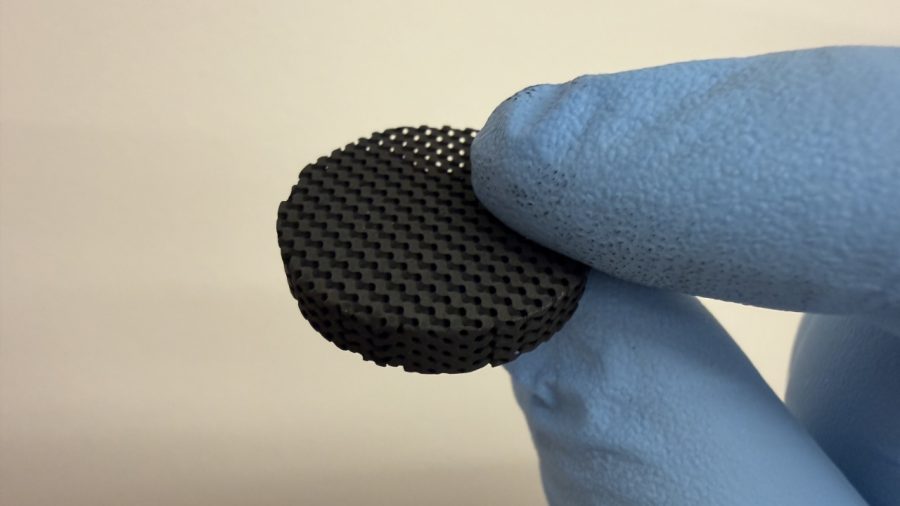
In a world increasingly reliant on portable power, a silent revolution is taking shape in the realm of battery technology. Startups are harnessing the power of 3-D printing to create innovative energy storage solutions that promise to change the landscape of how we store and utilize energy.
The Rise of 3-D Printed Batteries
Over the past few years, the energy sector has witnessed a significant shift towards sustainable practices and innovative technologies. Among these, the advent of 3-D printing in battery production stands out as a game-changer. Traditional battery manufacturing is often a lengthy and costly process, involving complex assembly lines and extensive resources. However, startups are now leveraging 3-D printing to create batteries that can be tailored to specific needs, drastically reducing production times and costs.
How 3-D Printing Works in Battery Production
3-D printing, or additive manufacturing, involves creating three-dimensional objects from a digital file. In the context of batteries, this technology allows for the precise layering of materials that can serve as electrodes, electrolytes, and other components. Here’s how it works:
- Material Selection: Startups are experimenting with various materials including conductive polymers, graphene, and other advanced composites that enhance battery performance.
- Customization: 3-D printing enables the production of batteries in various shapes and sizes, allowing for applications in devices ranging from smartphones to electric vehicles.
- Efficiency: The rapid prototyping capabilities of 3-D printing mean that designs can be tested and modified quickly, leading to faster innovation cycles.
Benefits of 3-D Printed Batteries
The integration of 3-D printing into battery technology offers numerous advantages:
- Cost Reduction: By eliminating traditional manufacturing costs, 3-D printed batteries can be produced at a fraction of the price.
- Environmental Impact: Many startups are focusing on sustainable materials, reducing waste and the carbon footprint associated with traditional battery production.
- Scalability: As demand grows for energy storage solutions, 3-D printing can scale production quickly without the need for extensive new infrastructure.
Startups Leading the Charge
Several startups are at the forefront of this revolution, each bringing unique innovations to the table:
- Form Energy: This company is developing iron-air batteries, which promise to be cheaper and more sustainable than lithium-ion batteries.
- NanoGraf: Focusing on silicon anodes, they aim to enhance the energy density of batteries while maintaining affordability.
- 3D Battery Company: Specializing in 3-D printed batteries for various applications, they are pushing the limits of customization in energy storage.
Challenges Ahead
Despite the promising developments, the integration of 3-D printing into battery technology is not without its challenges. Issues such as material durability, energy density, and regulatory hurdles must be addressed before these innovations can reach mainstream adoption. Additionally, as the market grows, competition will intensify, demanding continuous innovation and improvements.
The Future of Energy Storage
As the demand for energy storage solutions continues to rise, the role of 3-D printing in battery technology is expected to expand. The potential for on-demand production could lead to localized energy solutions, making energy storage accessible in remote areas and reducing reliance on traditional energy grids.
In conclusion, the intersection of 3-D printing and battery technology heralds a new era in energy storage. With startups at the helm, the possibilities are endless, and the future looks bright for sustainable and efficient energy solutions.