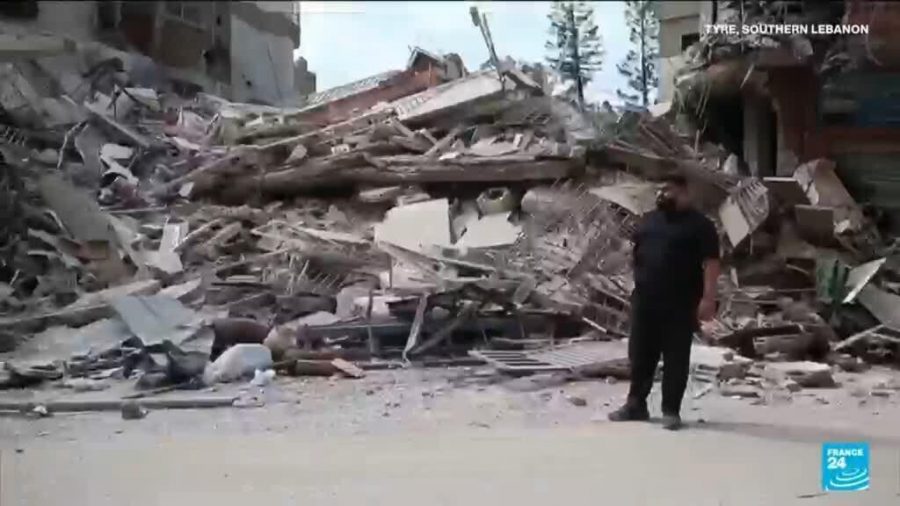
In a surprising escalation, Israel carried out a series of massive airstrikes on southern Lebanon on Saturday, just a day after both sides agreed to extend a fragile ceasefire. The development has raised concerns about the stability of the truce and the potential for renewed violence in the region.
Ceasefire Extension Fails to Halt Tensions
The ceasefire, which was extended on Friday following international mediation efforts, was intended to de-escalate weeks of rising hostilities between Israel and Lebanon. However, Saturday’s strikes suggest a breakdown in the tenuous agreement, leaving observers questioning the sustainability of peace in the region.
According to local reports, the airstrikes targeted multiple locations in southern Lebanon, including areas believed to house militant groups. The attacks caused significant damage to infrastructure, though there were no immediate reports of casualties. In response, Lebanese officials condemned the strikes, calling them a violation of the ceasefire and international law.
Regional and International Reactions
The latest escalation has sparked widespread reactions across the Middle East and beyond. The United Nations has urged both sides to exercise restraint and reaffirm their commitment to the ceasefire. “We call on all parties to immediately halt any actions that could jeopardize peace and stability in the region,” a UN spokesperson said in a statement.
Neighboring countries have also expressed concern over the situation. Jordan’s foreign ministry issued a statement urging Israel to respect the terms of the truce, while Egypt called for renewed diplomatic efforts to prevent further escalation. Meanwhile, the United States has reiterated its support for Israel’s right to self-defense but urged caution to avoid a full-blown conflict.
Underlying Causes of the Conflict
The ongoing tensions between Israel and Lebanon are rooted in a complex history of territorial disputes, political instability, and acts of aggression from both sides. Analysts point to recent incidents along the shared border, including rocket attacks and retaliatory strikes, as flashpoints that have reignited longstanding hostilities.
The fragile ceasefire, brokered with assistance from international mediators, was seen as a critical step toward preventing further violence. However, Saturday’s airstrikes reveal the challenges of maintaining peace in a region where mistrust and unresolved grievances run deep.
What Lies Ahead?
As the situation continues to unfold, the international community is calling for immediate dialogue between Israel and Lebanon to prevent further escalation. Analysts warn that without a durable resolution, the region risks sliding into a cycle of violence that could have far-reaching consequences.
For now, the fragile truce hangs by a thread, with both sides exchanging accusations and justifications for their actions. The coming days will be critical in determining whether peace can be salvaged or if the region will once again be engulfed in conflict.