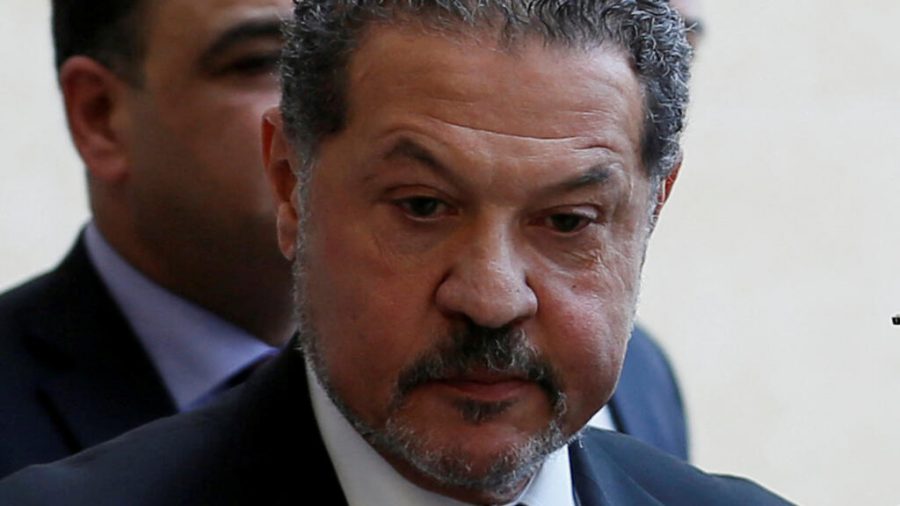
Yasser Abbas, the 64-year-old son of Palestinian President Mahmoud Abbas, has secured a powerful position within the Fatah party by winning a seat on its central committee. Initial results from Sunday’s election reveal a significant development that further consolidates the Abbas family’s influence over the political movement that has dominated the Palestinian Authority (PA) for decades. This election comes at a critical juncture as the PA faces growing calls to hold long-overdue presidential and parliamentary elections.
Strengthening Family Ties in Palestinian Politics
Fatah, the ruling party of the Palestinian Authority, has long been a cornerstone of Palestinian political life. With Mahmoud Abbas, 87, at the helm since 2005, the inclusion of his son in the central committee signals a potential continuation of the family’s political legacy. Critics argue that this move may further entrench a political dynasty, raising concerns about transparency and accountability within the party. Supporters, however, see Yasser Abbas’s election as a stabilizing force in uncertain times, emphasizing his extensive experience in business and his close ties to the existing leadership.
Pressure Mounts for Long-Delayed Elections
The Palestinian Authority has faced increasing domestic and international pressure to hold elections that have been delayed for over a decade. The last parliamentary elections took place in 2006, and Mahmoud Abbas’s presidential term officially expired in 2009. Despite repeated promises, no new elections have been held, fueling frustration among Palestinians and contributing to the erosion of public trust in the PA’s governance.
With Yasser Abbas now holding a key position in Fatah, observers are questioning whether this development signals a shift toward reform or a reinforcement of the status quo. Many Palestinians are demanding greater inclusivity and democratic governance, arguing that the current leadership has failed to address pressing issues such as economic stagnation, corruption, and stalled peace talks with Israel.
What Does Yasser Abbas Bring to the Table?
Yasser Abbas, a successful businessman, has largely stayed out of the political spotlight until now. His election to Fatah’s central committee marks a significant step into the political arena, raising questions about his vision for the future of the party and the Palestinian Authority. Known for his business acumen and connections, Yasser Abbas could play a pivotal role in shaping Fatah’s policies and strategies moving forward.
However, his ascent has not been without controversy. Critics accuse the Abbas family of using their political dominance to consolidate power and wealth, an allegation they have strongly denied. The election of Yasser Abbas may further fuel these concerns, particularly among younger Palestinians who are calling for a new generation of leaders to address the challenges facing the territory.
The Road Ahead for Fatah and the Palestinian Authority
As the Palestinian Authority grapples with mounting internal and external pressures, the election of Yasser Abbas to Fatah’s central committee underscores the ongoing struggle to balance tradition and reform. While some view his rise as a potential opportunity to rejuvenate the party, others see it as a sign of stagnation and a lack of willingness to embrace democratic change.
With no clear timeline for presidential and parliamentary elections, the future of Palestinian politics remains uncertain. The international community, including key stakeholders in the Middle East peace process, will be watching closely as developments unfold. For now, Yasser Abbas’s new role in Fatah marks a significant chapter in the ongoing story of Palestinian leadership and governance.