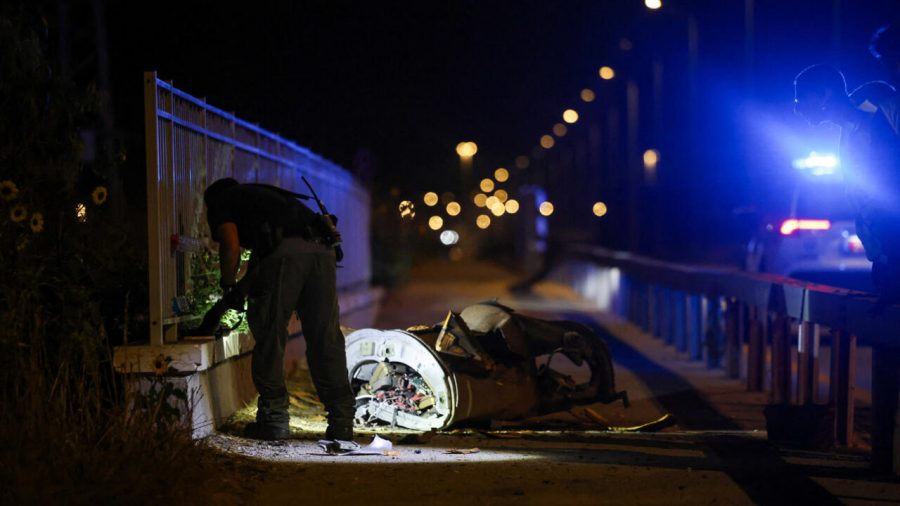
Israeli Airstrikes Target Iranian Cities: A New Chapter in Regional Tensions
The ongoing conflict between Israel and Iran escalated dramatically as the Israeli Defense Forces launched a series of airstrikes targeting critical sites in western and central Iran. This unprecedented military action marks a significant shift in the dynamics of the Middle East, raising concerns about a broader conflict.
Background of the Conflict
For decades, Israel and Iran have been at odds, driven by geopolitical rivalries, differing ideologies, and Iran’s nuclear ambitions. Israel views Iran’s nuclear program as an existential threat, leading to a series of covert operations and cyberattacks aimed at undermining Iran’s capabilities. However, this latest round of airstrikes represents a bold and direct military engagement that could have far-reaching consequences.
The Airstrikes: Targets and Objectives
The Israeli army confirmed that the strikes were aimed at various military installations throughout western and central Iran. According to military analysts, these targets included weapon depots, missile production facilities, and command centers linked to Iran’s Islamic Revolutionary Guard Corps (IRGC).
- Precision Strikes: The Israeli military employed advanced technology to ensure precision in targeting, minimizing civilian casualties while maximizing the impact on military infrastructure.
- Strategic Implications: The strikes aim to disrupt Iran’s military capabilities and deter future aggression against Israeli interests.
International Reactions
The international community has been quick to react to the airstrikes, with mixed responses from global powers. The United States expressed cautious support for Israel’s right to defend itself but urged both sides to exercise restraint. Meanwhile, Iran condemned the attacks as violations of its sovereignty and vowed to retaliate.
Potential Consequences for the Region
Experts warn that these airstrikes could lead to a significant escalation in hostilities, potentially drawing in regional allies and adversaries. Iran may seek to retaliate through asymmetric warfare, utilizing proxy groups in Lebanon, Syria, and Yemen to strike at Israeli or Western interests in the region.
- Increased Tensions: The strikes have heightened tensions not only between Israel and Iran but also among their respective allies, complicating the already fragile security environment in the Middle East.
- Economic Implications: A broader conflict could disrupt oil supplies and impact global markets, given Iran’s significant role in oil production.
Public Sentiment and Political Ramifications
Within Israel, public sentiment is largely supportive of the strikes, reflecting a long-standing belief that a strong stance against Iran is necessary for national security. However, the Israeli government faces pressure to ensure that military actions do not lead to an all-out war, prompting calls for diplomatic solutions alongside military efforts.
Conclusion
The recent airstrikes by the Israeli army signify a dangerous escalation in the ongoing conflict with Iran. As both nations brace for potential retaliation and further military actions, the geopolitical landscape of the Middle East remains uncertain. The international community watches closely, hoping for a resolution that can prevent further violence and instability in the region.