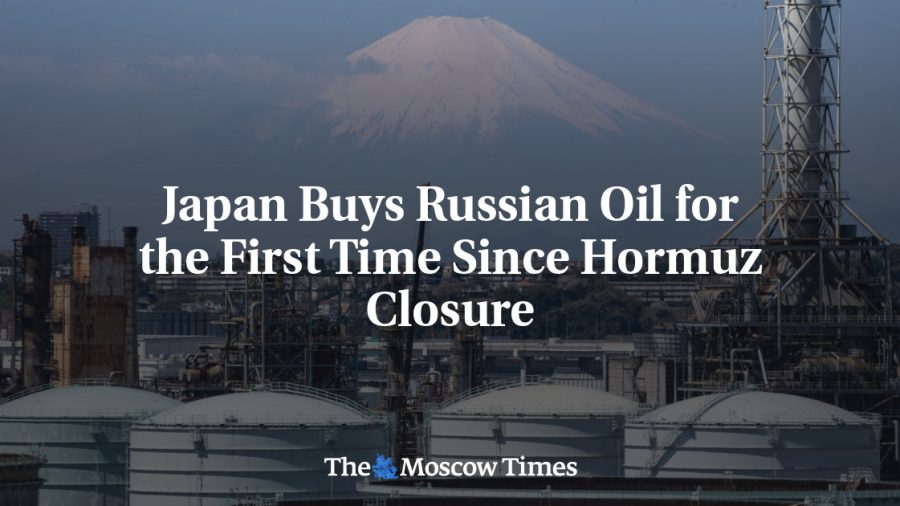
Japan Resumes Russian Oil Imports Amid Geopolitical Tensions
In a significant development in the global energy market, Japan has announced its first purchase of Russian oil since the closure of the Strait of Hormuz, marking a notable shift in its energy strategy. This decision comes as Japan seeks to diversify its energy sources and secure stable supplies amidst ongoing geopolitical tensions.
Taiyo Oil’s Strategic Move
According to a report by the Mainichi newspaper, Japanese refiner Taiyo Oil is set to receive a cargo of oil sourced from the Sakhalin-2 project in Russia’s Far East. This project has been a focal point for Russian energy exports, especially in light of Western sanctions following the Ukraine conflict.
Impact of the Strait of Hormuz Closure
The Strait of Hormuz has long been a critical chokepoint for global oil shipments, with approximately 20% of the world’s oil passing through this narrow passage. The closure of this strategic waterway has raised concerns among oil-importing nations, and Japan’s move to reintegrate Russian oil into its supply chain reflects a pragmatic response to these challenges.
Japan’s Energy Needs
As one of the largest importers of oil, Japan relies heavily on foreign supplies to meet its energy demands. The country has faced increased pressure to secure stable and diverse energy sources, especially as it moves away from nuclear power following the Fukushima disaster in 2011. The purchase of Russian oil is seen as a way to bolster Japan’s energy security during a period of uncertainty.
Geopolitical Context
The geopolitical landscape has changed dramatically since the onset of the Ukraine conflict, with many Western nations imposing sanctions on Russian energy exports. However, Japan’s decision to engage with Russian oil markets highlights the complexities of global energy politics, where economic imperatives often clash with political considerations.
Domestic Reactions
Reactions within Japan are mixed. Some analysts argue that resuming imports from Russia could undermine Japan’s diplomatic stance in the international community, particularly in relation to supporting Ukraine. Others contend that securing energy supplies is paramount, and that Japan must prioritize its energy security over geopolitical considerations.
Future Prospects
- Long-term Energy Strategy: Japan’s energy strategy may continue to evolve as it navigates the complexities of international relations and energy supply chains.
- Investment in Renewables: While Japan is looking to secure oil supplies, there is also a push for increased investment in renewable energy sources to reduce dependence on fossil fuels.
- Impact on Global Oil Prices: The re-entry of Japanese refineries into the Russian oil market could have implications for global oil prices, particularly if other nations follow suit.
As Japan moves forward with its energy strategy, the implications of this decision will likely reverberate through both domestic and international arenas. The balance between energy security and geopolitical responsibility will remain a delicate dance for the Japanese government in the coming years.