Understanding the ‘Point Men’ in Iran-US Peace Negotiations
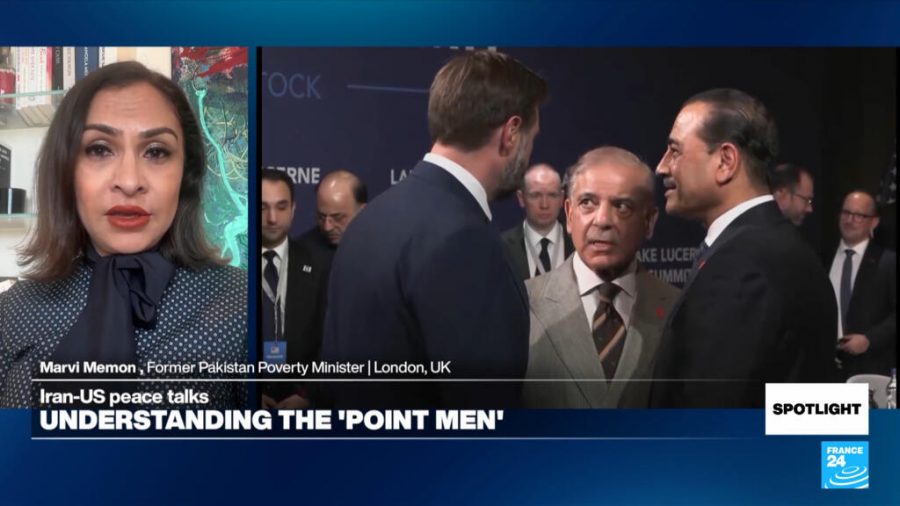
The Iranian-American diplomatic relationship has long been characterized by tension, conflict, and a series of stalled negotiations. However, recent peace talks have reignited hopes for a resolution, albeit amidst significant challenges. In a recent discussion, France 24’s Gavin Lee explored the nuances of these talks with Marvi Memon, a former federal minister in the Pakistani government, who offered insight into the dynamics at play.
The Context of the Talks
After years of strained relations, the United States and Iran have returned to the negotiating table, seeking a path forward that addresses longstanding grievances and mutual distrust. The backdrop of these discussions is marked by contentious issues such as nuclear proliferation, regional security, and economic sanctions. Recent developments have made it increasingly clear that both nations recognize the urgent need for dialogue, but the road ahead is fraught with obstacles.
Key Players in the Negotiation Process
- The US Delegation: Led by seasoned diplomats who understand the intricacies of Middle Eastern politics, the US team is focused on ensuring that any agreement includes stringent measures to prevent Iran from developing nuclear weapons.
- The Iranian Delegation: Comprising experienced negotiators with deep roots in the country’s political landscape, Iran’s delegation is keen to lift economic sanctions and regain its standing on the international stage.
- Marvi Memon: As a former federal minister in Pakistan, Memon brings a unique perspective to the table, understanding the importance of regional alliances and the role of third-party nations in facilitating dialogue.
The Challenges of Diplomacy
Despite the willingness to engage, several challenges persist that threaten to derail the peace process. Memon highlighted that both sides come to the table with deep-seated mistrust. For the United States, Iran’s history of nuclear development raises red flags, while Iran views US sanctions as a violation of its sovereignty and an impediment to its economic recovery.
Moreover, regional actors such as Israel and Saudi Arabia have vested interests in the outcome of these talks, often complicating the situation further. Their concerns over Iran’s influence in the region can create additional pressure on the US to take a harder stance, making it challenging to find common ground.
The Role of Third-Party Mediators
One potential avenue for success in these negotiations lies in the involvement of third-party nations. Memon emphasized the importance of countries like Pakistan, which have historically maintained cordial relations with both the US and Iran. These nations can act as mediators, facilitating dialogue and fostering trust between the two adversaries.
Looking Ahead
The path to peace between the US and Iran is undoubtedly complex and fraught with difficulties. However, the commitment from both sides to engage in dialogue is a promising sign. As discussions continue, the world watches closely, hopeful that these negotiations can lead to a lasting resolution that benefits not only the involved nations but also contributes to stability in the broader Middle East.
In summary, as the US and Iran navigate this intricate diplomatic landscape, the key players, challenges, and potential solutions will remain crucial in determining the outcome of their peace talks.