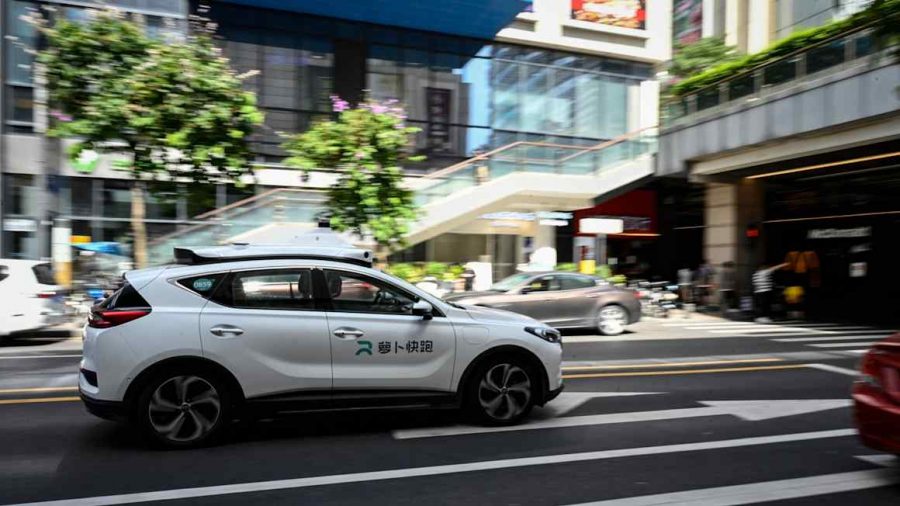
Shenzhen’s Shift Towards Automation in Transportation
As technological advancements continue to reshape various sectors, Shenzhen, China’s bustling tech hub, is at the forefront of a revolutionary shift towards automation in transportation. Known for its rapid development and innovation, Shenzhen is expanding its fleet of driverless vehicles, also known as robotaxis. This move, while promising efficiency and convenience, raises significant concerns about the future of the gig economy workforce, particularly for drivers relying on these jobs.
The Rise of the Robotaxi
Shenzhen’s initiative to implement robotaxis is part of a broader trend seen across China, where the government is heavily investing in autonomous vehicle technology. With an increasing number of companies, including tech giants and startups, venturing into the driverless market, the city aims to become a global leader in this field. The expansion of driverless vehicles is not only about improving urban mobility but also about enhancing the overall efficiency of the transportation system.
Impact on Gig Economy Workers
However, this technological advancement comes with its challenges. The gig economy has been a lifeline for many individuals, offering flexible job opportunities that allow them to earn a living on their terms. In Shenzhen, thousands of drivers have turned to ride-hailing services as a primary source of income. As robotaxis become more prevalent, these drivers face an uncertain future.
- Job Displacement: Many drivers fear losing their jobs as companies increasingly rely on automation.
- Economic Uncertainty: The shift towards robotaxis could destabilize the financial security of gig workers.
- Transition Challenges: Workers may struggle to transition into new roles or acquire new skills needed in a tech-driven economy.
Government Responses
In light of these concerns, the local government is being urged to take proactive measures to support affected workers. Initiatives such as retraining programs, social safety nets, and new employment opportunities in emerging sectors are essential to mitigate the negative impact of automation on the labor force. Policymakers must strike a balance between fostering innovation and protecting the livelihoods of their citizens.
The Future of Transportation in Shenzhen
As Shenzhen embraces this new era of transportation, the implications extend beyond just the city. The developments in robotaxi technology could set precedents for other cities worldwide, prompting discussions about the ethical and economic ramifications of automation in the workforce. While the promise of robotaxis brings forth benefits such as reduced traffic congestion and lower emissions, the socio-economic impact on drivers cannot be overlooked.
Conclusion
Shenzhen’s transition to a robotic future is a microcosm of a global trend towards automation, where the balance between technological progress and human employment is increasingly precarious. As the city continues to lead the charge in driverless technology, it must also ensure that the workforce is not left behind in this transformative journey.