US Military Strikes Iran Following Attacks on Bahrain and Kuwait
In a significant escalation of military tensions in the Middle East, the United States launched a second wave of airstrikes against Iran on Saturday. This action comes in direct response to recent attacks by Tehran on Bahrain and Kuwait, raising concerns over the stability of a fragile interim deal in the region.
Background of the Conflict
The backdrop to this crisis is a complicated web of geopolitical interests and historical grievances. Since the recent accord aimed at reducing hostilities, the region has experienced a surge in military actions. Iran’s recent strikes mark the first direct attacks on Kuwait since the signing of the agreement, indicating a dramatic shift in the dynamics of the conflict.
Details of the US Airstrikes
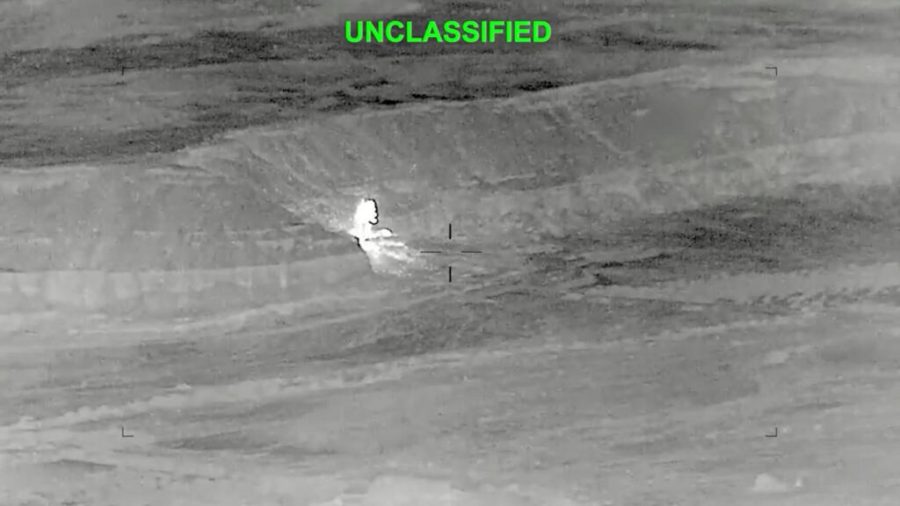
The airstrikes, ordered by President Donald Trump, were executed by the US military in response to Iran’s aggressive maneuvers. Reports indicate that multiple targets were hit in Iran, aimed at crippling the capabilities of military units believed to be involved in the attacks on Bahrain and Kuwait. These strikes have been described as necessary to protect US allies in the region and to deter further Iranian aggression.
Impact on Regional Stability
The attacks on Bahrain and Kuwait have raised alarms among US officials and regional allies. Bahrain, home to the US Navy’s Fifth Fleet, is particularly vulnerable given its strategic location. The US-led maritime coalition has been actively working to secure shipping routes near Oman, emphasizing the critical nature of these waterways for international trade.
In light of the strikes, analysts warn that the situation could spiral out of control if diplomatic efforts are not prioritized. The potential for a broader conflict remains high, as both Iran and the US have indicated they are prepared to escalate military operations further if necessary.
Reactions from the International Community
The international community has reacted with a mix of condemnation and calls for restraint. Many countries are urging both the US and Iran to pursue diplomatic channels rather than military confrontation. The UN Security Council is expected to convene to discuss the implications of the recent events and consider potential responses.
Looking Ahead
As tensions continue to mount, the future of the interim deal appears increasingly precarious. Both the US and Iran face significant pressure from their respective allies and domestic constituencies. The next steps taken by both sides will be crucial in determining whether the region can avoid a full-scale military conflict.
- US Airstrikes: Targeted Iranian military capabilities.
- Iranian Attacks: First strikes on Kuwait since the interim deal.
- Maritime Security: Increased US-led efforts in the Gulf region.
- International Reactions: Calls for diplomatic solutions from global leaders.
In these turbulent times, the world watches closely as the US and Iran navigate a path fraught with danger and uncertainty. The stakes are high, and the potential for further escalation looms large, making it imperative for diplomatic efforts to take precedence over military action.