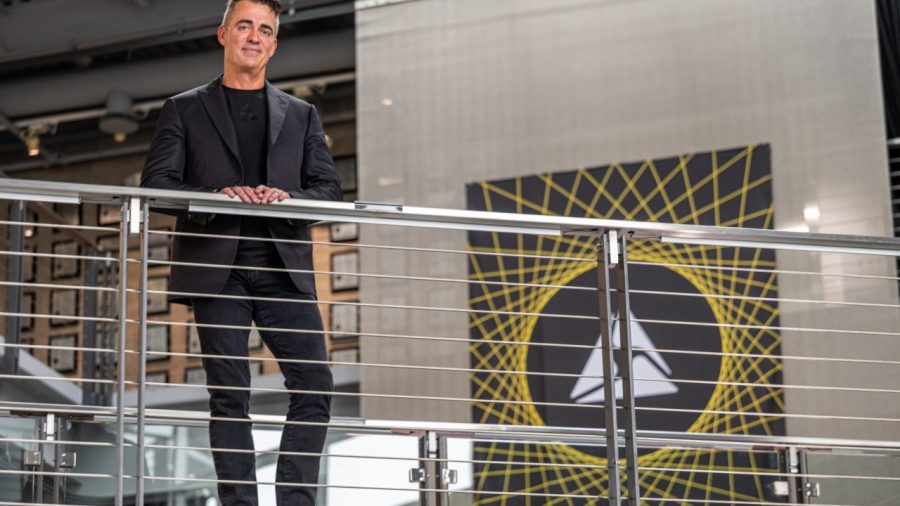
The Visionary Behind Taser: Rick Smith
In an era where technology is reshaping every aspect of our lives, Rick Smith, CEO of Taser International, is at the forefront of a revolution in policing. Smith’s company, renowned for its stun guns and body cameras, is now venturing into the realm of artificial intelligence (AI), a move he believes will redefine law enforcement in the coming years.
Embracing AI Technology
Under Smith’s leadership, Axon Enterprises—the parent company of Taser—has been investing heavily in AI technologies. This strategic shift is not merely about maintaining relevance; it’s about transforming the way police departments operate. With the integration of AI, Smith envisions a future where technology supports officers in making more informed decisions, ultimately leading to safer communities.
From Stun Guns to Smart Solutions
The evolution from Taser’s iconic stun guns to advanced AI solutions marks a significant transition in the company’s trajectory. Axon’s body cameras have already become a staple in many police departments, providing critical evidence in incidents of police conduct. Now, the addition of AI capabilities promises to enhance these tools further.
Smith highlights that AI can analyze vast amounts of data quickly, identifying patterns and predicting potential criminal activities before they occur. This proactive approach could revolutionize policing, shifting the focus from reactive measures to preventive strategies.
The Financial Gamble
However, this ambitious vision comes with significant financial implications. Smith’s compensation package is closely tied to Axon’s performance in the AI sector. By betting on the success of this technology, he has put his reputation—and his earnings—on the line. Analysts are closely watching how Axon navigates this transition, as its future dominance in the market hinges on the successful implementation of AI.
Challenges Ahead
Despite the promising outlook, the deployment of AI in policing is not without its challenges. Critics argue that reliance on technology can lead to ethical dilemmas, including issues surrounding privacy and the potential for biased algorithms. Smith acknowledges these concerns but believes that with responsible development and oversight, AI can enhance accountability in law enforcement.
A Commitment to Improvement
Smith is committed to ensuring that Axon’s AI tools are used ethically and responsibly. The company is working closely with law enforcement agencies to create guidelines that promote transparency and fairness in AI applications. This collaborative approach aims to build trust between police departments and the communities they serve.
The Future of Policing
As Rick Smith pushes forward with his vision for AI in policing, the question remains: will this technological leap lead to a safer, more just society? While the answer is yet to be determined, Smith’s commitment to innovation and ethical practices sets a promising precedent.
Conclusion
The landscape of law enforcement is changing, and at the helm of this transformation is Rick Smith. With his focus on AI and technology, he is not just shaping the future of Taser and Axon, but potentially redefining the very nature of policing itself.