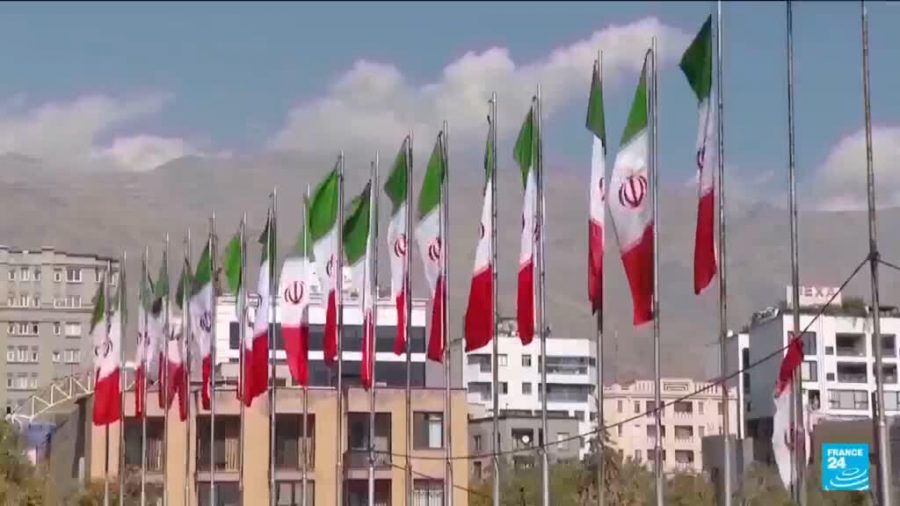
Tehran Targets Bahrain and Kuwait Following US Attacks
The fragile ceasefire between Iran and the United States has been shattered once again, as renewed hostilities erupted over the weekend. In a dramatic escalation, Iran launched missiles and drones targeting Bahrain and Kuwait, both of which host significant US military installations. This latest round of violence follows US airstrikes on multiple Iranian sites, raising alarms over the potential for a broader conflict in the region.
Escalating Conflict in the Middle East
The exchange of strikes marks a significant shift in the ongoing tensions between Iran and the US, which have been simmering for years. Following the US military’s retaliatory strikes on Iranian targets, Tehran’s response underscores the precarious nature of the current geopolitical landscape.
The strikes on Bahrain and Kuwait, both strategically located in the Persian Gulf, signal Iran’s willingness to challenge US military presence in the region. Analysts suggest that this move may be an attempt by Tehran to deter US actions and reassert its influence over the Gulf waters.
Key Global Shipping Route at Risk
The Strait of Hormuz, a vital artery for global oil shipments, has become a focal point of this escalating conflict. Approximately 20% of the world’s crude oil passes through this narrow strait, making it a critical chokepoint for international trade.
Iran’s military actions near the Strait of Hormuz raise concerns about the potential for disruptions to global oil supplies, which could have far-reaching economic implications. With tensions already high, the situation is further complicated by the involvement of multiple regional and global powers.
The Broader Implications
The exchange of strikes is likely to provoke a strong response from the US and its allies in the region. Military experts warn that a miscalculation could lead to a full-scale military confrontation, with dire consequences for both sides.
- Tehran’s missile and drone attacks reflect its strategy of projecting power in response to perceived provocations.
- The US presence in Bahrain and Kuwait has been a longstanding point of contention for Iran.
- The situation could escalate further if either side perceives the need to retaliate decisively.
As the situation unfolds, the international community is watching closely. Diplomatic efforts to de-escalate tensions may be the only path forward, but with both sides deeply entrenched in their positions, finding common ground will be a formidable challenge.
Conclusion
The recent strikes between Iran and the US highlight the volatility of the Middle East and the precarious balance of power in the region. With both nations unwilling to back down, the prospect of a diplomatic resolution appears increasingly distant. As the world holds its breath, the potential for further conflict looms, threatening not only regional stability but also global economic security.