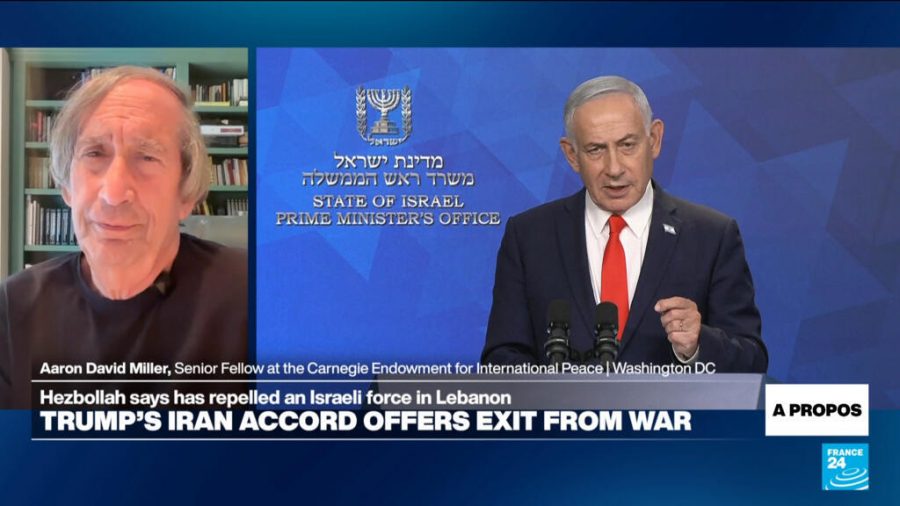
Israel’s Strained Position in the Iran Conflict
The ongoing conflict involving Iran has emerged as a significant point of contention for Israel, particularly under the leadership of Prime Minister Benjamin Netanyahu. As tensions escalate, experts are voicing concerns about the strategic implications of this war, suggesting that it has become a “strategic disaster” for the Israeli state.
Netanyahu and Trump’s Diverging Paths
In a recent discussion with FRANCE 24, Aaron David Miller, a senior fellow at the Carnegie Endowment for International Peace, emphasized the growing rift between Netanyahu and U.S. President Donald Trump regarding the Iran war. As Trump appears eager to distance himself from the conflict, Israel finds itself in a precarious position, with its military operations increasingly bogged down in Lebanon and goals unmet.
The Unfulfilled Aims of the Israeli Leadership
Miller argues that Netanyahu’s aspirations in the conflict have not materialized as intended. “This has been a strategic disaster for the state of Israel. All of Benjamin Netanyahu’s war aims – diminished support for proxies, restrictions on ballistic missiles, overthrow of the regime, or weakening of the regime – none of this has occurred,” he stated. This assessment raises critical questions about the effectiveness of Israel’s military strategy and its long-term implications.
Military Operations in Lebanon: A Stalemate?
As the Israeli military continues its operations in Lebanon, analysts are scrutinizing the effectiveness of these endeavors. The Lebanese front, historically a point of contention for Israel, has proven to be a complex battleground. The challenges faced by the Israeli Defense Forces (IDF) in Lebanon reflect broader issues within the context of the Iran conflict, where strategic objectives remain elusive.
- Diminished Proxy Support: One of Netanyahu’s primary goals was to reduce Iranian support for militant proxies in the region. However, evidence suggests that these groups continue to receive backing from Tehran, undermining Israel’s efforts.
- Ballistic Missile Restrictions: Another aim was to impose limitations on Iran’s ballistic missile capabilities. Nonetheless, reports indicate that Iran’s missile program has not only persisted but has actually expanded, posing a continuing threat to Israel.
- Regime Change: The idea of overthrowing the Iranian regime was also a significant part of Netanyahu’s strategy. Yet, the regime remains firmly in place, bolstered by both domestic support and international alliances.
Looking Ahead: The Path Forward for Israel
As Israel navigates this tumultuous landscape, the implications of its military strategy and diplomatic relations with the United States will be crucial. The dissonance between Netanyahu and Trump could lead to further complications, particularly as both leaders pursue their respective agendas in a rapidly evolving geopolitical environment.
Ultimately, the question remains: how will Israel recalibrate its strategy in light of these challenges? The stakes are high, and the outcome of this conflict will likely shape the region for years to come.