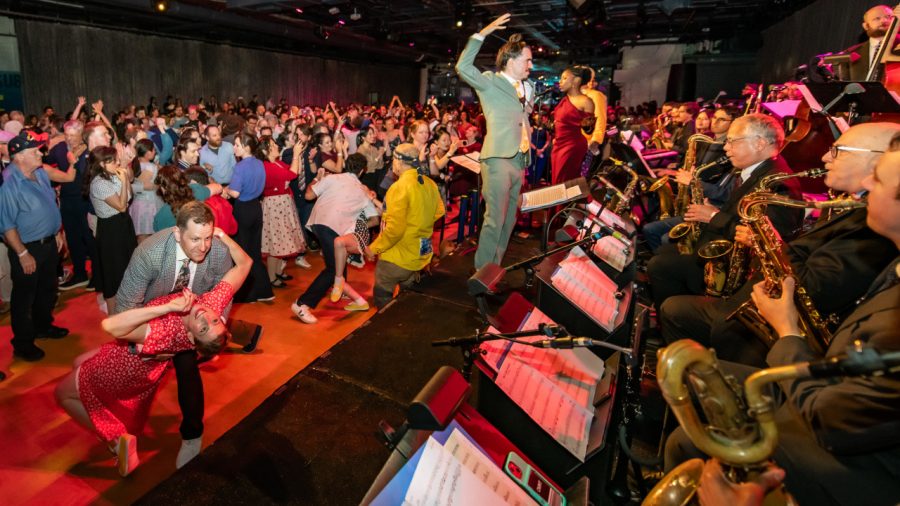
The United States of Swing: A Cultural Legacy
One hundred years ago, in the vibrant streets of Harlem, a dance emerged that would come to embody the spirit of American culture. Swing, often referred to as the ‘true national folk dance,’ not only transformed the social fabric of the nation but also left an indelible mark on the landscape of music and dance worldwide.
The Birth of Swing in Harlem
During the 1920s, Harlem became a melting pot of creativity and cultural exchange. Jazz music flourished, and with it, the emergence of swing dancing. As musicians like Duke Ellington and Louis Armstrong took to the stage, they inspired a generation to embrace this lively, improvisational dance form. Swing was not merely a dance; it was a celebration of life, freedom, and community.
The Characteristics of Swing Dance
At its core, swing dance is defined by its upbeat tempo and energetic movements. It encompasses various styles, including the Lindy Hop, Charleston, and Balboa, each with its unique flair. Some key characteristics of swing dance include:
- Syncopated Rhythm: The music’s upbeat tempo allows dancers to express themselves through intricate footwork and spontaneous movements.
- Partner Dynamics: Swing is typically danced with a partner, emphasizing connection and communication, which fosters a sense of community.
- Improvisation: Dancers often create unique routines on the spot, showcasing their creativity and spontaneity.
The Role of Swing in American Culture
As swing gained popularity, it became a symbol of the carefree spirit of the 1930s and 1940s. It bridged racial divides, bringing together people of all backgrounds on the dance floor. The famous Savoy Ballroom in Harlem was a testament to this cultural unity, where dancers showcased their skills regardless of race in a time of segregation.
The Decline and Resurgence of Swing
However, as the decades progressed, the popularity of swing dance waned with the advent of rock and roll. The vibrant dance halls that once echoed with laughter and music faced decline, and many feared that swing would be lost to history. Yet, like many cultural phenomena, swing experienced a revival in the 1980s and 1990s. Fueled by nostalgic sentiments and a renewed love for jazz music, swing dancing once again captivated the hearts of many.
The Modern Swing Scene
Today, swing dancing is thriving worldwide, with countless dance studios and social clubs dedicated to teaching and promoting this timeless art form. Events like swing dance festivals and competitions draw enthusiasts from around the globe, showcasing the dance’s evolution while honoring its rich history.
Conclusion: Celebrating the Legacy of Swing
As we reflect on the centennial of swing dance, it is vital to acknowledge its roots in Harlem and the cultural significance it holds for the United States. Swing is more than just a dance; it is a living testament to the resilience of American culture, a celebration of diversity, and a reminder of the joy that comes from movement and music.
In the words of famed swing dancer Frankie Manning, “There’s no wrong way to swing dance.” As we continue to embrace and celebrate this dynamic dance form, we ensure that its legacy endures for generations to come.