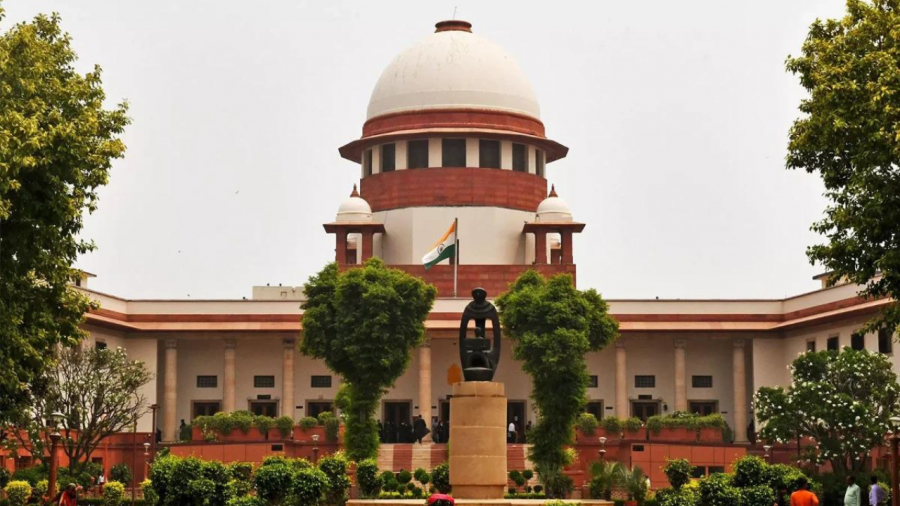
Trinamool Congress Takes Legal Action Against Counting Staff Directive
In a significant legal development, the Trinamool Congress (TMC) has approached the Supreme Court to contest a government directive that mandates the appointment of central government employees as counting supervisors or assistants for the upcoming vote count in West Bengal’s assembly elections. This move comes amid escalating tensions and allegations of bias in the electoral process.
Allegations of Discrimination and Bias
The TMC argues that the directive is not only arbitrary but also discriminatory, raising concerns about the integrity of the electoral process. Party leaders believe that the involvement of central government employees, particularly those aligned with the ruling Bharatiya Janata Party (BJP) at the Centre, could skew the counting process. They maintain that such a composition of counting staff undermines the fundamental principles of free and fair elections.
Legal Grounds for the Petition
In their petition, the TMC emphasizes that the directive alters the composition of the counting table in a manner that is detrimental to the party’s interests. By introducing central employees into the counting process, the TMC claims that the directive fosters an environment of bias, which could lead to unfair outcomes during the counting of votes.
Impact on Electoral Integrity
The party’s contention raises critical questions about the integrity of the election process in West Bengal. With the assembly elections drawing near, the TMC argues that ensuring a level playing field is essential for the democratic process. The party’s plea highlights the necessity for transparency and impartiality in the counting process, as any perceived bias could erode public trust in the electoral outcomes.
Political Context
This legal battle occurs at a time when political tensions are high in West Bengal. The TMC is currently engaged in a fierce contest against the BJP, which has been gaining ground in the state. The party’s leaders have claimed that the central government’s involvement in the election process is an overreach, aimed at undermining the TMC’s position in the state.
Next Steps in the Legal Process
The Supreme Court is set to hear the TMC’s plea today, and the outcome could have significant implications for the upcoming elections. If the court rules in favor of the TMC, it could lead to a reevaluation of the counting staff directive, potentially restoring greater autonomy to state election officials. Conversely, a ruling against the TMC could solidify the current directive and raise further questions about the role of central authorities in state elections.
Public Reaction and Political Ramifications
The public’s response to this legal action has been mixed. Supporters of the TMC view the challenge as a necessary step to protect the democratic process, while critics argue that the party is merely attempting to deflect from its own electoral challenges. As the election date approaches, the dynamics of this legal case will likely influence voter sentiment and political strategies on both sides.
Conclusion
The Supreme Court’s decision on the TMC’s plea could alter the course of the assembly elections in West Bengal, impacting not only the counting process but also the broader political landscape in the state. As the legal proceedings unfold, all eyes will be on the court’s ruling and its implications for the integrity of the electoral process.