US Announces Withdrawal of 5,000 Troops from Germany Amid Iran War Tensions
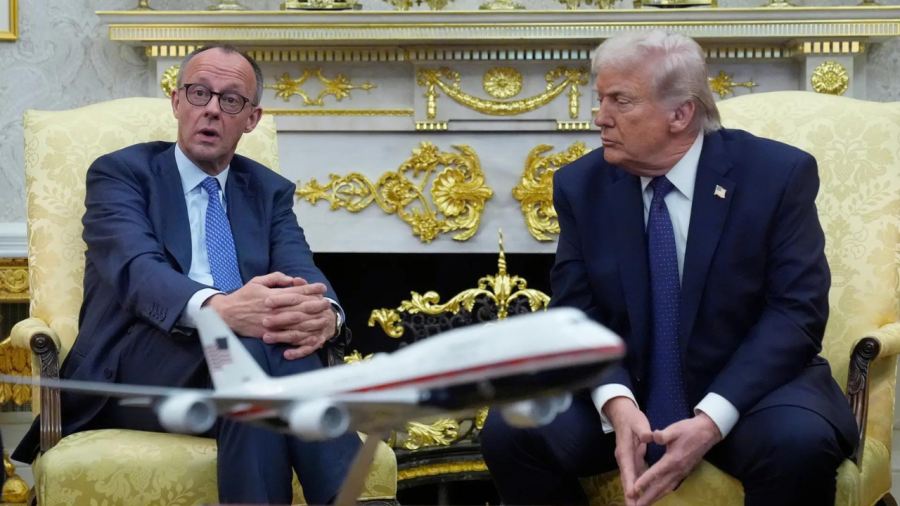
The Pentagon has confirmed its decision to withdraw approximately 5,000 troops stationed in Germany, a strategic move that reflects escalating tensions between the United States and its European allies regarding the ongoing conflict in Iran. This development comes on the heels of critical remarks from German Chancellor Friedrich Merz, who has openly criticized the US approach to negotiations with Iran.
Background on the Troop Withdrawal
The decision to scale back US military presence in Germany is not merely a logistical adjustment but a symbolic gesture indicating a rift in transatlantic relations. The troop reduction aims to revert US military levels in Europe to those seen before the onset of the Ukraine war, thereby indicating a shift in focus for US military resources.
Chancellor Merz’s Criticism
Chancellor Friedrich Merz’s condemnation of the US’s handling of negotiations with Iran has been a pivotal factor in this decision. His criticisms highlight a growing sentiment among European leaders who feel that the US is not adequately considering their perspectives or concerns regarding Middle Eastern policies. This disconnect could potentially influence future collaborations and military strategies within NATO.
The Broader Context
This troop drawdown is occurring against a backdrop of rising tensions not only with Iran but also within NATO itself. The US has expressed frustration with its allies, perceiving a lack of commitment and support from European nations in confronting threats stemming from the Middle East. The implications of this withdrawal may stretch beyond military logistics, affecting diplomatic relations and collaborative defense strategies.
Implications for NATO and European Security
The reduction of US troops in Germany raises significant questions about the future of NATO’s collective defense framework. As the US reallocates its military resources, European nations may need to reassess their own defense postures and capabilities in response to increased threats from adversaries like Iran.
- Increased Responsibility: European allies may need to take on a greater share of military responsibilities in the region.
- Potential for Increased Tensions: The withdrawal might exacerbate existing tensions between Europe and Iran, particularly if the US adopts a more aggressive military stance.
- Impact on NATO Unity: This decision could lead to divisions within NATO regarding military strategies and threat perceptions.
Future Prospects
As the situation evolves, the US’s military strategy in Europe and the Middle East will likely continue to be influenced by ongoing diplomatic developments. The troop withdrawal from Germany is a clear indicator of a changing geopolitical landscape, one that may lead to a reevaluation of alliances and military commitments.
In summary, the Pentagon’s decision to withdraw 5,000 troops from Germany is a significant move that underscores the growing rift between the US and its European allies over the handling of the Iran conflict. As tensions rise, both military and diplomatic strategies will need to adapt to the shifting realities of international relations.