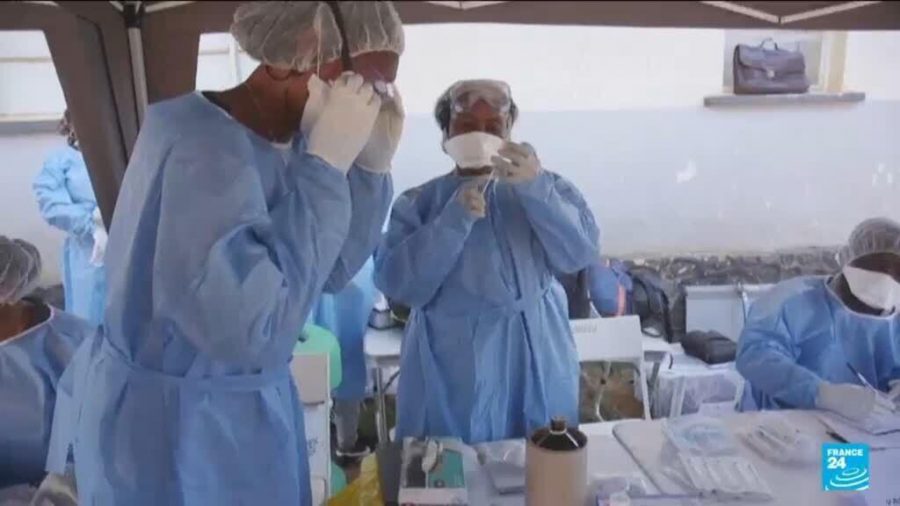
The World Health Organization (WHO) has officially declared the ongoing Ebola outbreak in the Democratic Republic of Congo (DR Congo) and neighboring Uganda a public health emergency of international concern (PHEIC). This announcement, made on Sunday by WHO Director-General Tedros Adhanom Ghebreyesus, follows the confirmation of over 300 suspected cases and 88 recorded deaths linked to the deadly virus.
What Prompted the Emergency Declaration?
The Ebola outbreak in the region has raised alarms due to its rapid spread and high fatality rate. While the outbreak has primarily affected DR Congo, cases have also been reported in Uganda, sparking fears of further regional transmission. WHO officials have underscored the seriousness of the situation but emphasized that it does not currently meet the criteria for a pandemic emergency comparable to the COVID-19 crisis.
Key Facts About the Outbreak
- Over 300 suspected cases have been documented so far.
- The death toll has risen to 88, with numbers expected to climb.
- Neighboring Uganda has also reported cases, raising cross-border concerns.
Despite the declaration of a global health emergency, WHO has advised against the closure of international borders, emphasizing the critical need for global cooperation and resource mobilization. The organization has urged governments and health agencies worldwide to focus on containment and prevention efforts while avoiding unnecessary panic.
Learning from Past Epidemics
Ebola is a highly contagious virus that causes severe hemorrhagic fever with a high mortality rate. The current outbreak serves as a reminder of the 2014-2016 West Africa Ebola epidemic, which claimed over 11,000 lives. While the scale of the current outbreak is not as severe, swift action is crucial to prevent a similar scenario from unfolding.
Dr. Tedros Adhanom Ghebreyesus emphasized the importance of leveraging lessons learned from past outbreaks to improve response efforts. “This declaration is not a cause for alarm but a call to action,” he stated, urging nations to contribute resources and expertise to fight the outbreak.
Preventive Measures and Global Response
WHO and its partners are working closely with affected countries to bolster surveillance, provide medical supplies, and deploy healthcare workers to the most impacted areas. Vaccination campaigns are being ramped up to protect frontline workers and vulnerable populations. The organization has also called on international donors to provide funding to support these critical efforts.
In the meantime, individuals in affected regions are being encouraged to follow health guidelines, such as frequent handwashing and avoiding contact with infected individuals or animals. Educational campaigns are also being conducted to dispel myths and misinformation about the disease.
Looking Ahead
While the situation remains dire, global health officials are optimistic that coordinated efforts can help contain the outbreak. The declaration of a public health emergency of international concern is expected to galvanize resources and attention, ensuring that the Ebola outbreak in DR Congo and Uganda does not escalate further.
The international community is now on high alert, with health experts stressing the importance of vigilance and rapid response. As the world continues to grapple with the lasting effects of the COVID-19 pandemic, this latest health crisis serves as a stark reminder of the need for global solidarity in the face of emerging infectious diseases.