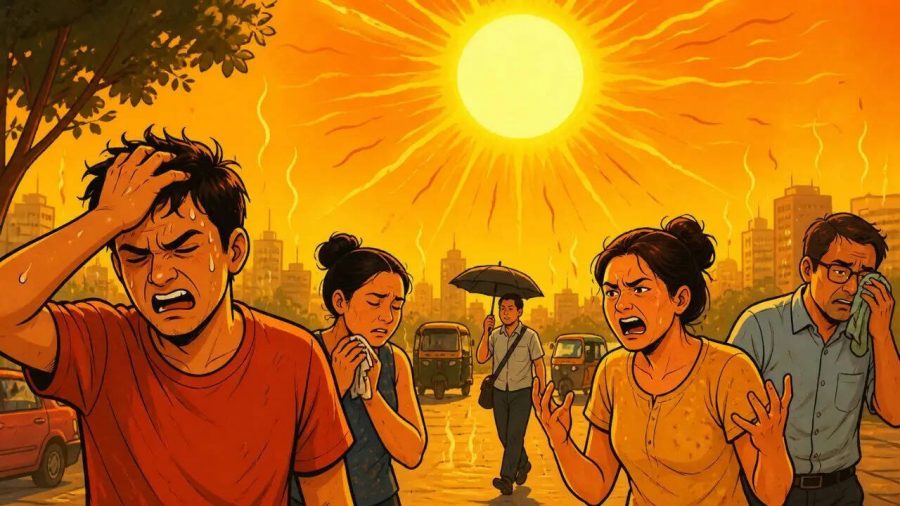
As the sweltering heat of summer settles in, many people find themselves feeling more irritable and short-tempered. This phenomenon isn’t just a coincidence; scientific research suggests that high temperatures can significantly influence our mood and behavior.
The Science of Heat and Mood
Researchers have long studied the relationship between temperature and human behavior. According to a study published in the journal Psychological Science, higher temperatures can lead to increased aggression and irritability. This can be attributed to several physiological and psychological factors, which we will explore in detail.
Physiological Responses to Heat
When temperatures rise, our bodies undergo a variety of changes. Here are some key physiological responses:
- Increased Heart Rate: Heat causes our heart to pump faster to help regulate body temperature, which can lead to feelings of stress and anxiety.
- Dehydration: Hot weather often results in dehydration, which has been linked to mood swings and irritability.
- Sleep Disruption: High temperatures can interfere with sleep quality, leading to fatigue and heightened emotional responses.
The Psychological Impact
Beyond the physiological changes, heat can also have a profound psychological impact. Here’s how:
- Social Interactions: As people become more irritable, social interactions can become strained. Arguments may arise more easily, and patience can wear thin.
- Increased Aggression: Studies have indicated a correlation between higher temperatures and aggressive behavior. This has been observed in various contexts, from sports events to urban crime rates.
Real-World Examples
There are numerous examples that illustrate the link between heat and aggression. For instance, a study conducted by the National Bureau of Economic Research found that increases in temperature corresponded with higher rates of violent crime in urban areas. Similarly, sports fans tend to become more aggressive during games held in hot weather.
Summer and Mental Health
For many, the summer season is synonymous with relaxation and enjoyment. However, the heat can exacerbate mental health issues. Individuals suffering from anxiety or mood disorders may find their symptoms worsening in extreme temperatures. It is essential to recognize these effects and take proactive measures to mitigate them.
Tips for Staying Cool and Calm
As the summer heat continues, here are some practical tips to help maintain your cool:
- Stay Hydrated: Drink plenty of water to combat dehydration and help regulate your body temperature.
- Limit Sun Exposure: Try to stay indoors during peak heat hours, typically between 10 AM and 4 PM.
- Practice Relaxation Techniques: Engage in activities such as meditation, yoga, or deep-breathing exercises to reduce stress levels.
- Maintain a Cool Environment: Use fans, air conditioning, or cool showers to keep your body temperature down.
Conclusion
While summer can be a time for fun and relaxation, it also presents challenges that can affect our mood and behavior. Understanding the science behind why we feel more hot-headed during the hotter months can empower us to take proactive steps to maintain our emotional well-being. By recognizing the signs and implementing strategies to cope with the heat, we can enjoy all that summer has to offer without letting the heat get the best of us.