The Legacy of Presidential Libraries in America
Each modern U.S. president leaves behind a tangible testament to their time in office—a presidential library. These libraries serve not only as repositories of documents and artifacts but also as reflections of the nation’s evolving narrative.
Understanding Presidential Libraries
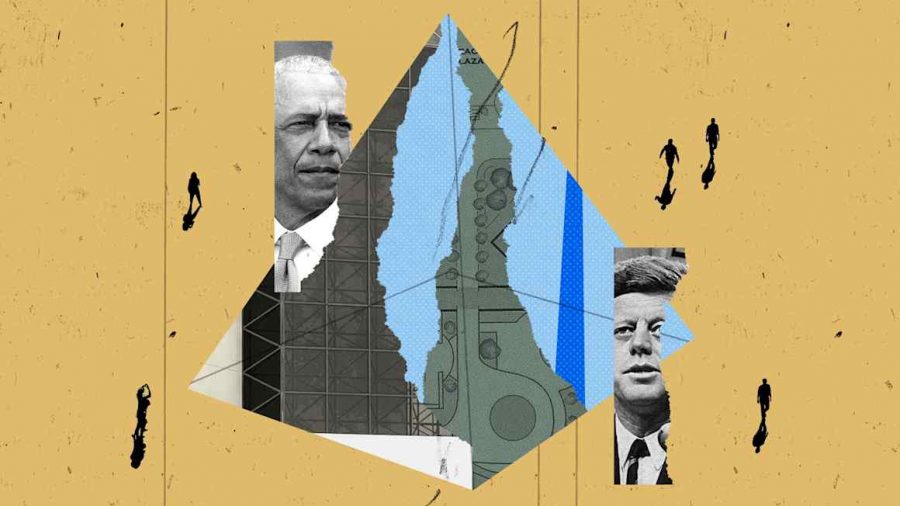
Presidential libraries are more than mere archives; they are symbolic structures that encapsulate the essence of a presidency. They are often grand in design, resembling modern-day pyramids, constructed to honor the legacies of their namesakes.
Historical Context
The concept of presidential libraries began with Franklin D. Roosevelt, whose library in Hyde Park, New York, was dedicated in 1941. The National Archives established the Presidential Library system to ensure that the papers, records, and other historical materials of a president are preserved and made accessible to the public.
Architectural Significance
The architectural styles of these libraries often reflect the personality and values of the presidents they commemorate. For instance, the George W. Bush Presidential Library and Museum, located on the campus of Southern Methodist University, combines traditional and modern elements, symbolizing the complex nature of his presidency.
The Role of Libraries in National Memory
Presidential libraries play a critical role in shaping America’s collective memory. They serve as educational resources, offering insights into the political, social, and economic challenges faced during each administration. Through exhibits, documents, and multimedia presentations, these institutions foster a deeper understanding of American history.
Challenges in Building a Presidential Library
The process of establishing a presidential library involves strict regulations and considerable funding. Each library must adhere to guidelines set by the National Archives and Records Administration (NARA), ensuring that it meets specific standards for preservation and accessibility.
Funding and Support
Presidential libraries are often funded through a combination of private donations, government funds, and sometimes state and local resources. This financial aspect can be contentious, as it raises questions about the influence of donors on the narratives presented within the libraries.
- Public Donations: Many libraries rely heavily on donations from individuals and organizations.
- Government Funding: A portion of funding comes from federal sources, but this is often limited.
- Corporate Sponsorship: Some libraries also partner with corporations, leading to concerns over potential biases.
Presidential Libraries as Cultural Hubs
Beyond their archival functions, presidential libraries often become cultural hubs for their communities. They host events, educational programs, and discussions that engage the public and encourage civic participation.
Case Study: The Obama Presidential Center
The Obama Presidential Center, currently under construction in Chicago, aims to be a model for future libraries. With a focus on community involvement and innovation, it seeks to redefine what a presidential library can be, emphasizing inclusivity and accessibility.
Conclusion: A Reflection of American Identity
Presidential libraries are more than just buildings; they are reflective of America’s ongoing struggle to understand and remember its past. As they evolve, these institutions will continue to play a vital role in shaping the historical narrative of the United States, offering lessons that resonate far beyond the walls of their collections.