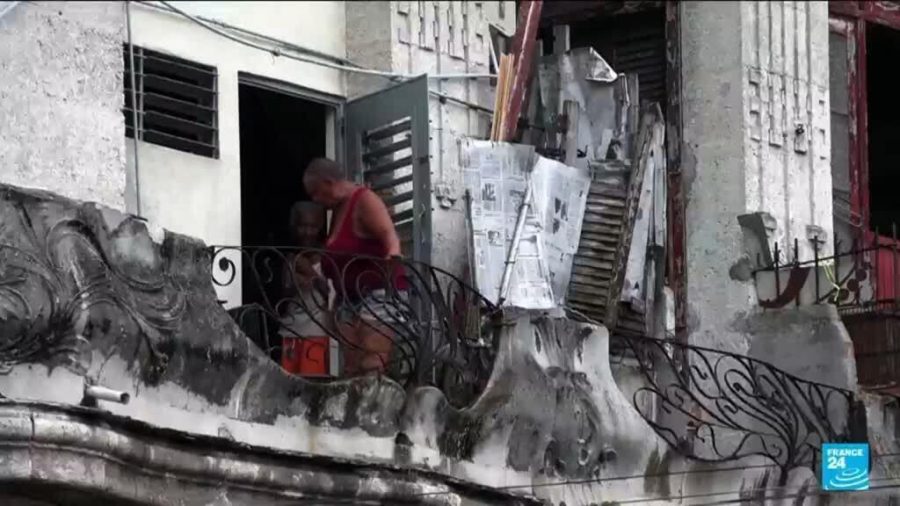
Cuba Endures Islandwide Blackout for the Second Time This Week
On Friday, Cuba experienced a nation-wide blackout, marking the second such incident within a single week. As the island nation, home to nearly 10 million people, grapples with an increasingly fragile power grid, the situation reveals the broader implications of a failing infrastructure exacerbated by ongoing fuel shortages and a long-standing U.S. energy blockade.
The Impact of Blackouts on Daily Life
The recent blackout has had a significant impact on the daily lives of Cubans. Residents reported widespread disruptions, with many unable to access basic services such as refrigeration, healthcare, and communication. In a country where electricity is vital for both personal and economic activities, these outages pose serious challenges.
Causes of the Power Crisis
The crisis in Cuba’s energy sector can be traced to a combination of factors:
- Aging Infrastructure: Much of Cuba’s power grid is outdated and in dire need of repair. Frequent failures have become commonplace, leading to a lack of confidence in the system.
- Fuel Shortages: The island’s energy supply is heavily reliant on imported fuel, which has been hampered by the U.S. embargo. This has created a vicious cycle of shortages and outages.
- Government Policies: Critics argue that government mismanagement and lack of investment in the energy sector have worsened the situation, leaving citizens to bear the brunt of the consequences.
The Broader Implications
The frequent blackouts not only affect individual households but also have broader implications for Cuba’s economy and social stability. Businesses struggle to operate without reliable power, leading to decreased productivity and a lack of economic growth. Furthermore, the frustration among citizens is palpable, as many are left feeling helpless and angry about their circumstances.
A Call for Solutions
In light of the ongoing challenges, many Cubans are calling for immediate solutions to address the power crisis. Suggestions include:
- Investment in Renewable Energy: Advocates argue that Cuba should invest more in renewable energy sources, such as solar and wind, to reduce dependence on imported fuels.
- Infrastructure Upgrades: A comprehensive plan for upgrading the aging power grid is essential to prevent future blackouts.
- Dialogue with the U.S.: Some believe that a constructive dialogue with the U.S. government could lead to a lifting of the energy blockade, allowing Cuba to access much-needed resources.
Conclusion
The recent blackouts serve as a stark reminder of the vulnerabilities within Cuba’s energy sector. As the nation continues to navigate these challenges, the resilience of its people will undoubtedly be tested. With urgent calls for change echoing throughout the island, the hope remains that solutions can be found to restore reliable power and stability to the lives of millions of Cubans.